
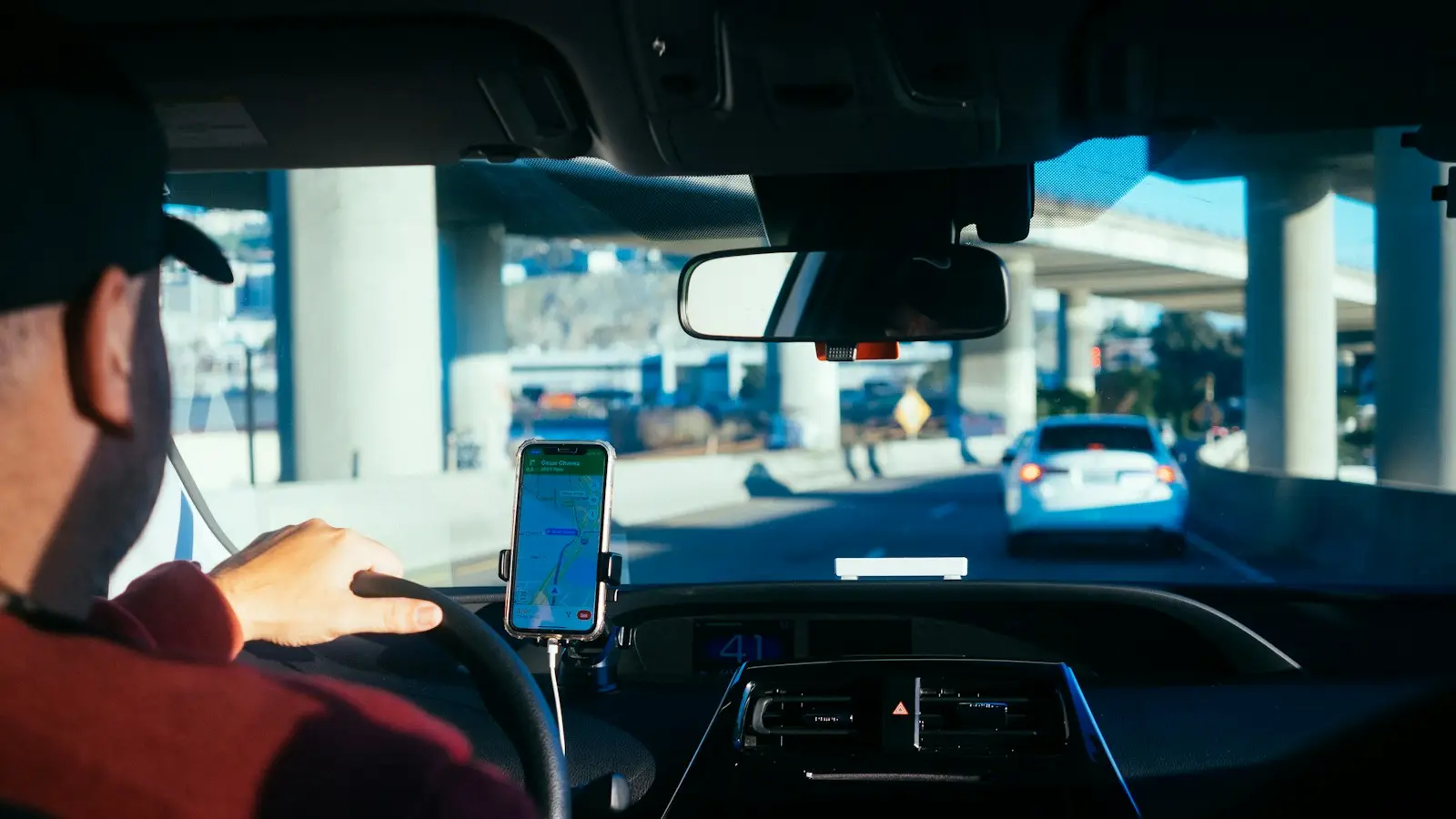
There is no honest average Uber or Lyft accident settlement in Georgia. The value depends mostly on two things: how badly you were hurt, and what the rideshare driver’s app was doing at the moment of the crash. Once a driver accepts a ride, Georgia law requires $1 million in liability coverage (O.C.G.A. § 33-1-24). When the app is off, you may be left with the driver’s personal policy, which can be as low as $25,000 per person.
If you were hurt in an Uber or Lyft crash, you can speak directly with attorney Jonathan Flack at (678) 653-0309 for a free consultation. You owe no fee and no case costs unless we recover money for you.
Who We Help
Flack Injury Law represents people in Georgia who were hurt in a crash someone else caused, including car, truck, rideshare, delivery vehicle, medical transport van, motorcycle, bicycle and pedestrian crashes, and families after a fatal crash.
We do not defend people who are being sued, and we do not handle property-damage-only, slip and fall or workplace claims. If no one was hurt and your dispute is with your own insurance company over damage to your car, that is not the kind of case we handle. If you were hurt and have an offer or release in front of you, get a free release review before you sign.
Key Georgia facts
- From the moment a driver accepts a ride until the ride ends, Georgia requires $1 million in liability coverage (O.C.G.A. § 33-1-24).
- When the app is on but no ride has been accepted, the required coverage is $50,000 per person, $100,000 per accident and $50,000 for property damage.
- When the app is off, only the driver’s personal policy applies, and Georgia’s minimum is $25,000 per person and $50,000 per accident.
- For crashes since July 1, 2023, the uninsured and underinsured motorist coverage required during a ride is $300,000 per accident, with up to $100,000 per person.
- A person found 50 percent or more at fault recovers nothing, and a smaller share of fault reduces the award (O.C.G.A. § 51-12-33).
- Most injury lawsuits must be filed within two years of the crash (O.C.G.A. § 9-3-33).
Why the Driver’s App Status Sets the Ceiling
In most rideshare cases, the insurance available sets a practical limit on what can be recovered. Georgia ties that coverage to what the driver’s app was doing when the crash happened.
| Driver’s app status | Coverage that applies | Minimum liability limits |
|---|---|---|
| App off | The driver’s personal auto policy | $25,000 per person, $50,000 per accident (Georgia minimum) |
| App on, waiting for a ride | Rideshare coverage | $50,000 per person, $100,000 per accident, $50,000 property damage |
| Ride accepted, en route or carrying a passenger | Rideshare coverage | $1 million per occurrence |
Proving the app status is often the most important early step, because the rideshare company holds the trip data. Our guide to Uber and Lyft app status and insurance explains how coverage shifts at each stage.
Written by attorney Jonathan Flack. Before founding Flack Injury Law, Jonathan spent two and a half years on the insurance side of commercial truck, tractor-trailer and medical transport van cases. Super Lawyers Rising Star (2024 to 2027). The National Trial Lawyers Top 40 Under 40, Civil Plaintiff (2026). GTLA member. Last reviewed: November 5, 2026.
What Else Decides What a Rideshare Case Is Worth?
- Your injuries and treatment. Surgery, permanent injuries and long recoveries raise the value the most.
- Lost income. Missed work and any lasting effect on your ability to earn count toward the claim.
- Who caused the crash. If another driver caused it, that driver’s insurance pays first, and the rideshare policy or uninsured motorist coverage may add to it.
- Where you were. Passengers, other drivers, pedestrians and the rideshare driver each have a different path to coverage. Passengers can read what to do after an Uber or Lyft passenger injury.
- Uninsured motorist coverage. When the at-fault driver has little or no insurance, uninsured motorist coverage can make up the difference. See how Uber and Lyft uninsured motorist coverage changed in 2023.
Hurt in a crash? Talk with Jonathan Flack.
Free consultation. No fee and no case costs unless we recover money for you.
Texts go straight to attorney Jonathan Flack and his paralegal, Vashti. Calls are answered 24/7.
Can You Bring a Claim Against Uber or Lyft Itself?
Most rideshare claims are paid through the insurance that covers the driver and the trip. Whether a claim can also be brought against Uber or Lyft as a company depends on the facts. Our guide on whether you can sue Uber or Lyft directly explains how those claims work in Georgia.
How SB 68 Affects Rideshare Claims
Georgia’s 2025 tort reform law, SB 68, changed how injury cases are proven and tried. For crashes on or after April 21, 2025, insurers can point to what was actually paid on your medical bills, not only what was billed. SB 68 also allows evidence about seat belt use, which matters for rideshare passengers, and our guide to SB 68 explains which crash dates each rule covers.
What Lowers the Value of a Rideshare Claim?
- Not saving the trip receipt or a screenshot of the ride in the app, which helps prove the driver’s app status.
- Accepting a quick offer or signing a release before you know the full extent of your injuries. Read about the first settlement offer.
- Gaps in medical treatment, which insurers use to argue you were not seriously hurt. See gaps in treatment after a crash.
- Giving a recorded statement to an insurer before talking with a lawyer.
- Waiting too long to ask for the trip data and nearby video.
A Rideshare Result From Flack Injury Law
This is an example of a rideshare case the firm has resolved. Every case is different, and prior results do not guarantee a similar outcome.
- $250,000: Rideshare Crash in East Atlanta
See all case results, or learn how we handle these cases on our Atlanta Uber and Lyft accident attorney page.
Uber and Lyft Settlement Questions
There is no reliable average. The value depends on your injuries, fault and which insurance policy applies. Georgia requires $1 million in coverage once a driver accepts a ride, but much less when the app is on without a ride or turned off.
It applies from the moment the driver accepts a ride request until the ride ends, including the drive to the pickup (O.C.G.A. § 33-1-24). It does not apply when the driver’s app is off.
Then the claim usually starts with the at-fault driver’s insurance. If that driver has too little coverage, the rideshare uninsured motorist coverage, which is $300,000 per accident and up to $100,000 per person for crashes since July 1, 2023, or your own policy may help.
It is rare. Georgia reduces a recovery only by the injured person’s own share of fault, and a passenger usually has little or none (O.C.G.A. § 51-12-33).
Most injury lawsuits must be filed within two years of the crash (O.C.G.A. § 9-3-33). Trip data and video can be harder to get as time passes, so it helps to act quickly.

Get a Free Case Review From Jonathan Flack
Tell us what happened. Jonathan represents injured people only, and he works directly on every case. You pay no fee and no case costs unless we recover money for you.
Texts go straight to attorney Jonathan Flack and his paralegal, Vashti. Calls are answered 24/7.
“I contacted Jonathan, who immediately responded and visited with us the next day.” Leonard Freedman, client’s husband
Read our Google reviews · See case results
Related Guides
- Atlanta Uber and Lyft Accident Attorney
- Uber and Lyft App Status and Insurance in Georgia
- Uber and Lyft Cut Uninsured Motorist Coverage in Georgia
- Can You Sue Uber or Lyft Directly After a Crash in Georgia?
- What Is a Truck Accident Case Worth in Georgia?
- How to Choose a Rideshare Accident Lawyer in Atlanta
See all our guides for people hurt in Georgia crashes.
This article is general information about Georgia law, not legal advice for any specific situation. Laws change and outcomes depend on facts particular to each case. Reading this page or contacting Flack Injury Law through this website does not create an attorney-client relationship. Do not send confidential information until an attorney-client relationship has been established.