Atlanta Uber & Lyft Rideshare Accident Attorney
If you were hurt in an Uber or Lyft crash in Georgia, the insurance available depends on what the driver’s app was doing. From the moment a ride is accepted until it ends, Georgia requires at least $1 million in liability coverage. If the app was on but no ride was accepted, the minimum is $50,000 per person and $100,000 per accident. Rideshare companies classify their drivers as independent contractors, operate through layered insurance policies that shift depending on what the driver was doing at the moment of the crash, and employ claims teams trained to limit payouts.
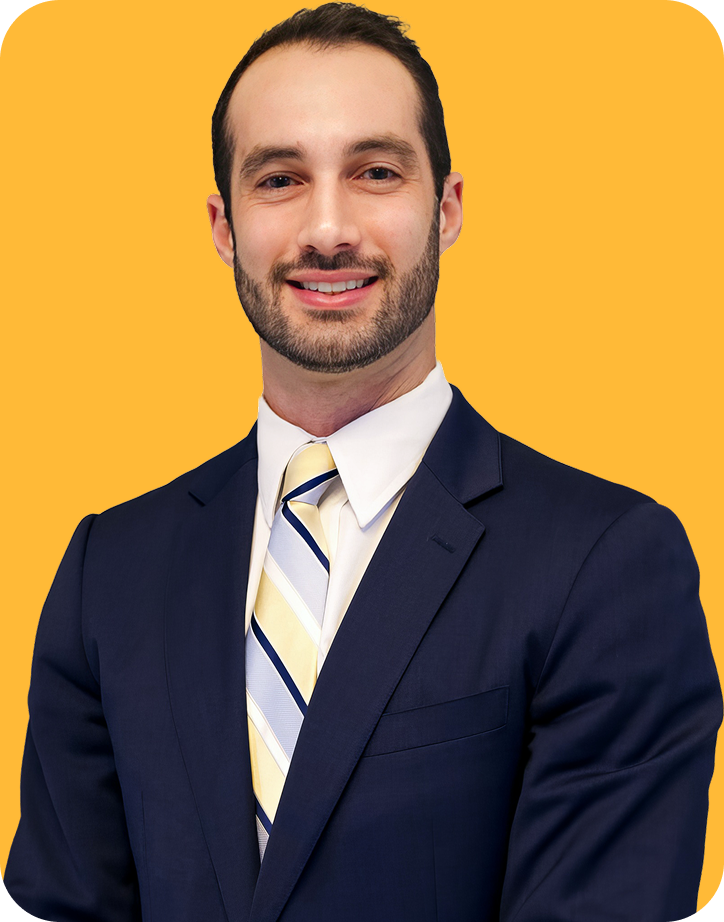
Whether you were a passenger in the rideshare vehicle, a driver or passenger in another car, or a pedestrian struck by an Uber or Lyft driver, the path to fair compensation requires understanding how these companies actually handle liability, not how they advertise it. We expect these rideshare providers to prioritize safety. Our Atlanta rideshare accident attorney, Jonathan Flack, cuts through that complexity quickly. We explain what coverage applies, who can be held responsible, and what your case is worth based on the facts, not a generic estimate.
Rideshare accident claims also raise issues that standard car wreck cases do not. The insurance coverage available depends on the driver’s app status at the moment of impact, which changes the policy limits dramatically. Multiple responsible parties may exist, including the driver, Uber or Lyft as a corporate entity, and third-party drivers who caused or contributed to the crash. Important records exist inside the Uber or Lyft platform itself, including GPS trip data, driver history, acceptance logs, and internal safety records that are not part of any police report. Flack Injury Law builds these claims with a focus on the platform details and coverage structures that determine what compensation is actually available, alongside the medical documentation that supports full recovery for injuries, lost income, and long-term limitations.
We are selective with our caseload because clients deserve real attention in high-stakes claims like these. We keep you informed, prepare your case with discipline, and push back when insurers try to minimize what happened or what it cost you. When you hire Flack Injury Law, you get a plan, consistent communication, and a claim built to be taken seriously. Were you injured in an Atlanta rideshare accident? Don’t worry. Flack has your back. Contact us at (678) 653-0309 today to schedule a free, no obligation consultation. You owe no fees or case costs unless we obtain a recovery for you.
in this section
Page contents
Talk With an Uber & Lyft Rideshare Accident Attorney Who Understands How Uber and Lyft Claims Actually Work
Written by attorney Jonathan Flack. Before founding Flack Injury Law, Jonathan spent two and a half years on the insurance side of commercial truck, tractor-trailer and medical transport van cases. Super Lawyers Rising Star (2024 to 2027). The National Trial Lawyers Top 40 Under 40, Civil Plaintiff (2026). GTLA member. Habla español. Last reviewed: October 6, 2026.
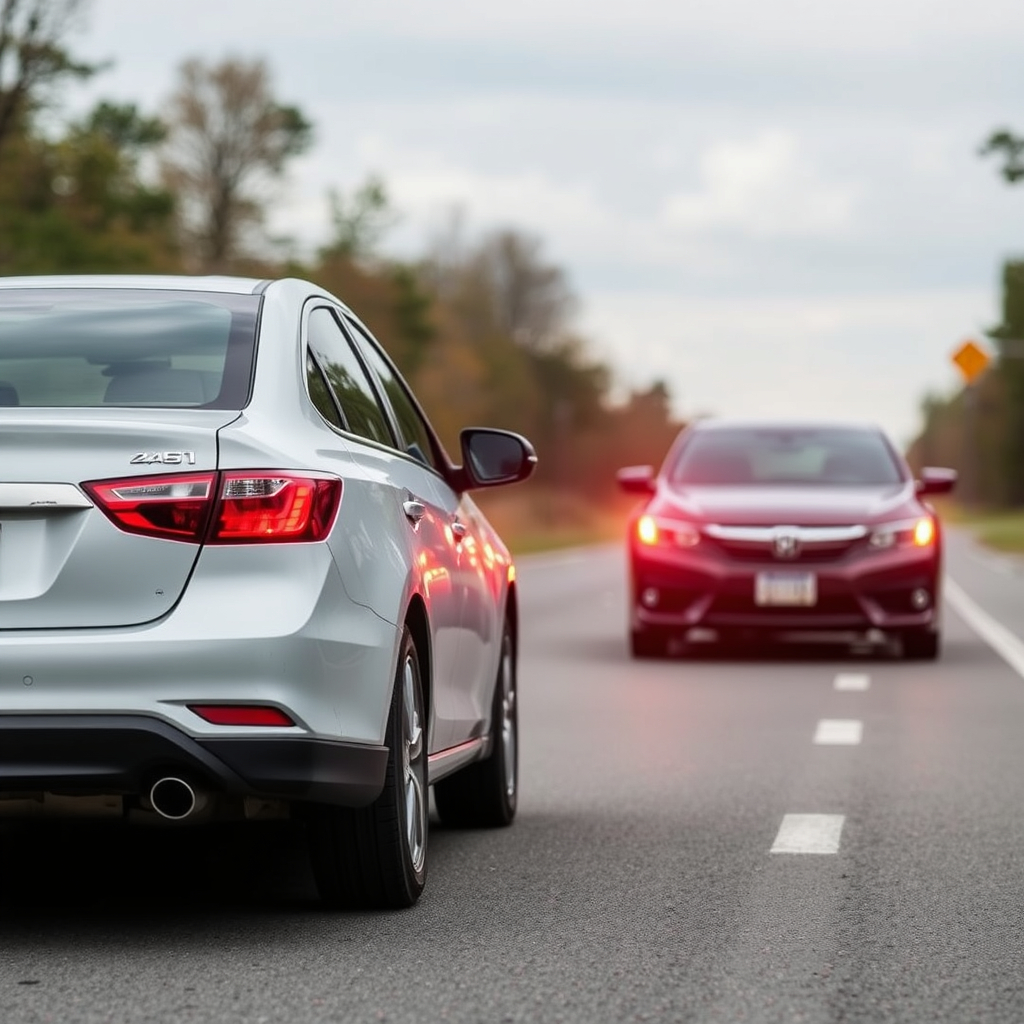
Rideshare claims require a legal approach that reflects how these platforms operate, not just how traffic accidents typically get resolved. Uber and Lyft structure their businesses to limit direct liability by classifying drivers as independent contractors and by maintaining insurance policies with coverage that shifts based on app status. Rear-end collisions in Uber and Lyft trips often cause whiplash and soft tissue injuries, which require careful documentation to claim fairly.
A passenger injured during a confirmed trip has access to different coverage than a pedestrian struck by a driver who was waiting for a ride request. Understanding which policy period applies, who controls it, and how to navigate the claims process between the driver’s personal insurer and the rideshare company’s commercial policy is what separates effective representation from guesswork. If you were riding in the car, see who pays when you’re hurt as an Uber or Lyft passenger.
Why Platform Behavior Is Part of the Liability Story
Claim value can rise or fall based on whether the investigation identifies the right responsible parties and applies the correct coverage tier. Insurers frequently try to push rideshare claims toward the lowest applicable policy or treat the driver as solely responsible to protect corporate liability. That framing ignores the reality that Uber and Lyft set driver standards, conduct background checks, monitor performance data, and retain the ability to deactivate drivers who create risk.
Flack Injury Law evaluates rideshare cases through those operational and coverage lenses, building a record that shows what the platform controlled, what safety obligations went unmet, and what compensation is available across every potentially applicable policy.
How Uber & Lyft Rideshare Insurance Coverage Works and Why It Matters for Your Claim
Uber and Lyft maintain insurance that applies in layers depending on the driver’s status within the app at the moment of the crash. These periods define the coverage available and determine which insurer handles your claim first. Getting this wrong can result in a claim filed against a policy with inadequate limits or a denial based on a coverage argument the insurer knows the claimant will not challenge. Our article on why the Uber driver’s app status changes your claim explains how that status gets proven.
Georgia Rideshare Facts
App on, waiting for a request: at least $50,000 per person, $100,000 per accident and $50,000 property damage. Ride accepted through drop-off: at least $1 million per occurrence (O.C.G.A. § 33-1-24).
For a statewide overview of the insurance periods, filing deadlines and shared-fault rules, read our Georgia rideshare accident claims guide.
Required uninsured/underinsured motorist coverage on rideshare trips is at least $300,000 per accident, capped at $100,000 per person, down from $1 million for crashes since July 1, 2023. This matters when another driver causes the crash and you are the passenger. Here’s what the 2023 change means for you.
If the driver’s own policy has lapsed, the rideshare company’s coverage pays from the first dollar.
Waymo robotaxis began carrying passengers in Atlanta in June 2025 through the Uber app (Fox 5 Atlanta).
Georgia allows fully driverless vehicles if they meet federal standards and are registered and insured (O.C.G.A. § 40-8-11). Georgia law treats the person or company that causes a driverless car to move as its “operator” (§ 40-1-1(38)).
Period 1: App On, No Ride Accepted
When a driver has the app active but has not yet accepted a ride request, Uber and Lyft provide at least $50,000 per person, $100,000 per accident and $50,000 in property damage (O.C.G.A. § 33-1-24) in addition to whatever personal insurance the driver carries. In Georgia, this period coverage is lower than the full commercial limits, and the driver’s personal auto policy may attempt to deny coverage because the driver was using the vehicle for commercial purposes. Claims in this period often involve disputes between the driver’s insurer and the rideshare company’s insurer about which policy applies and how responsibility is allocated.
Period 2 and 3: Accepted Ride Through Passenger Drop-Off
Once a driver accepts a ride request and through the end of the trip at drop-off, Uber and Lyft maintain at least $1 million in liability coverage per occurrence. This is the period most passenger injury claims fall under, and it represents the highest coverage tier available in a rideshare accident. Even with $1 million in available coverage, insurers working on behalf of Uber and Lyft have incentive to dispute injury severity, minimize medical causation, and offer early settlements that fall short of what the injuries require. Claims in this period need careful documentation and representation that understands the full scope of available coverage.
Hurt in a Lyft Crash in Atlanta? How a Lyft Accident Claim Works
Georgia law treats Lyft the same way it treats Uber. O.C.G.A. § 33-1-24 sets the minimum insurance for rideshare trips in Georgia, so the coverage periods above apply whether you were a Lyft passenger, the driver of another car, a pedestrian or a cyclist. What usually decides a Lyft claim is the driver’s status in the Lyft app at the moment of the crash. That law covers rides, not food deliveries. If an Uber Eats or DoorDash driver hit you, see our Atlanta food delivery accident attorney page.
Lyft’s own insurance summary follows those same periods. With the app off, only the driver’s personal auto policy applies. With the app on and the driver waiting for a request, Lyft provides third-party liability coverage if the driver’s personal insurance does not apply. From the time a driver accepts a ride until the trip ends, Lyft lists $1,000,000 in third-party auto liability coverage. If the driver who caused the crash was uninsured or underinsured, the uninsured motorist coverage Georgia requires on rideshare trips can also come into play.
Evidence in a Lyft case is easy to lose. Save the Lyft ride receipt and take screenshots of the trip in the app, since they help show who was driving and when the trip happened. Get the police report number, photograph the vehicles and your injuries, and get medical care right away. Lyft’s insurer may ask for a recorded statement early, and it is reasonable to speak with a lawyer before you give one.
If you were riding in the Lyft, our guide for Lyft and Uber passengers hurt in Atlanta covers who pays and what to do next. Jonathan Flack handles Lyft accident claims across metro Atlanta, and the first consultation is free.
Third-Party Claims When an Uber or Lyft Driver Causes the Crash
Drivers and passengers in other vehicles, cyclists, and pedestrians who are injured by an Uber or Lyft driver can also bring claims against the rideshare company’s commercial policy. The same coverage tier analysis applies, and the same insurer defenses arise. Flack evaluates third-party rideshare claims with the same focus on app status, driver history, and platform responsibility that governs passenger injury cases.
It is also important to understand the distinction between liability coverage and uninsured/underinsured motorist coverage in these cases. The $1 million figure applies to Uber and Lyft’s liability coverage, meaning it is available when the rideshare driver is at fault. When another driver causes the crash and is uninsured or underinsured, the relevant coverage is UM/UIM. Georgia law changed in 2023. Under HB 529, which amended O.C.G.A. § 33-1-24 effective July 1, 2023, the uninsured/underinsured motorist coverage rideshare companies must carry dropped from $1 million to $300,000 per accident, capped at $100,000 per person. Passengers injured by an at-fault third party in a rideshare vehicle are subject to that lower limit unless additional coverage applies. Understanding which coverage type governs your situation is one of the first things Flack Injury Law determines, because it directly affects the compensation ceiling and the claims strategy.
Common Atlanta Rideshare Accident Scenarios That Lead to Serious Injuries
Uber and Lyft accidents in Atlanta often happen during predictable moments. Pickups and drop-offs in Buckhead, Midtown, and the airport create stop-and-go congestion that rideshare drivers navigate while managing app notifications. Highways around the perimeter and I-285 corridors see accidents when drivers accelerate or merge while checking a route update. These are not random events. They often reflect the distracted, time-pressured reality of driving for a rideshare platform in a high-traffic city.
Distracted Driving and App-Related Inattention
Uber and Lyft drivers interact with an app throughout the ride, including accepting requests, following GPS directions, and ending trips. That interaction creates distraction risk that differs from standard drivers because it is built into the job. A driver who checks the app before completing a stop, adjusts a route mid-intersection, or accelerates to stay in a busy zone may be acting out of platform expectations, not personal carelessness. These facts can support a broader claim against the platform itself, not just the individual driver.
Rear-End Collisions, Intersection Crashes, and Unsafe Lane Changes
Rear-end crashes often occur when a rideshare driver brakes suddenly to match an app navigation update or to stop for a pickup. Intersection crashes can follow from a driver who misjudges a light while watching a route change. Lane-change accidents are common when drivers move across lanes quickly to reach a pickup zone or exit. In each scenario, the platform’s role in creating distraction is a legitimate part of the liability analysis.
Pickup and Drop-Off Zone Accidents in Atlanta
Many rideshare accidents happen at or near the pickup and drop-off point, not mid-route. Drivers may stop in traffic lanes, pull into no-stopping zones, or open doors without checking for cyclists and passing vehicles. Passengers exiting the vehicle can be struck by oncoming traffic if the driver stops in an unsafe location. These incidents happen at low speed but can cause serious injury, and they raise questions about driver decision-making and platform guidance on stop location.
Commercial Insurance and Independent Contractor Issues in Rideshare Accident Claims
Uber and Lyft structured their businesses around independent contractor classification specifically to limit direct liability for driver conduct. That structure does not eliminate platform responsibility in every case, but it does create a legal environment where insurers use the contractor defense aggressively to limit what the company must pay. Flack Injury Law analyzes the actual relationship between the platform and the driver, including training materials, deactivation policies, and performance monitoring, to identify where corporate responsibility applies.
How Independent Contractor Classification Affects Your Claim
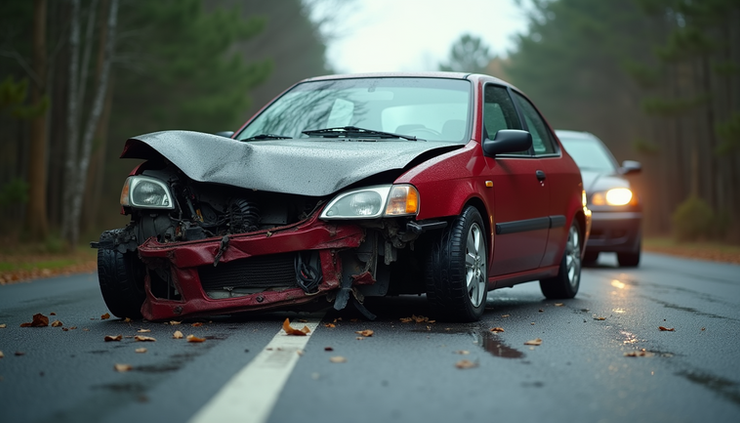
When Uber or Lyft classifies a driver as an independent contractor, they argue that the driver’s negligence is the driver’s responsibility alone. The practical effect is that claimants must navigate the driver’s personal insurance, the rideshare company’s commercial policy, and potentially a dispute between both about coverage priority. Flack does not accept that framing without analysis. The degree of control Uber and Lyft exercise over their drivers through ratings systems, mandatory training, and deactivation decisions is relevant to whether the company bears broader responsibility.
Multiple Policies, Driver History, and Platform Safety Obligations
Uber and Lyft conduct background checks on their drivers and retain data about driver performance, including complaints, ratings, and prior incidents. When a driver with a history of unsafe conduct causes an accident, that history can support a claim that the platform failed to act on known risk. Flack evaluates driver records as part of a complete liability analysis so that the claim reflects the full scope of who knew what and when.
How Fault Is Evaluated in Atlanta Rideshare Accident Claims
Fault in a rideshare case rarely reduces to a single driving error. These claims involve a commercial driver operating under platform expectations, a corporate entity with its own safety and operational obligations, and often a third-party driver who may have contributed to the crash. Investigators and insurers evaluate app status, driving behavior, vehicle condition, and platform communications to build their version of events. Flack Injury Law builds the claimant’s version with verifiable records, because documented responsibility creates better settlement leverage and a more predictable path to full compensation.
Liability Questions That Go Beyond the Traffic Impact
In many rideshare accident claims, the crash is only one part of the liability picture. Platform design, driver screening, and data monitoring are all areas where Uber and Lyft make decisions that affect safety outcomes. A driver who received a poor safety rating before the crash, a route update delivered mid-intersection, or a pickup instruction that placed the driver in a no-stop zone can all contribute to a liability story that extends beyond what a police report captures. A strong claim identifies those connections early.
Driver Negligence Versus Platform Negligence
Driver negligence covers individual choices like running a red light, following too closely, or failing to check for cyclists before opening a door. Platform negligence involves the company’s own decisions, including whether it acted on driver complaints, whether it designed app interactions that increase distraction, and whether it enforced safety standards that could have prevented the crash. Both can exist in the same case. Flack evaluates the full chain of decisions to make sure the claim holds the right parties accountable at the right coverage levels.
Comparative Fault Arguments and How Rideshare Claims Differ From Standard Car Wrecks
Insurers sometimes attempt to assign fault to the claimant by pointing to seatbelt use, door exit timing, or passenger location in the vehicle. Georgia’s modified comparative fault rule means that reducing a claimant’s recovery percentage is a direct financial strategy for insurers. Flack counters these arguments by anchoring the claim in driver conduct, platform obligations, and medical causation rather than allowing insurers to shift attention to the claimant’s behavior.
Evidence Sources That Determine Fault in Atlanta Rideshare Accident Cases
Rideshare cases include evidence sources that standard traffic claims do not. Uber and Lyft maintain trip data, GPS logs, driver acceptance history, and in-app communication records that can confirm what the driver was doing at the moment of the crash and in the moments before it. These records do not appear in police reports and must be requested or demanded through the litigation process before they are altered or lost.
Trip Data, GPS Logs, and Driver App Activity
The rideshare platform records the trip timeline, including when the driver accepted the ride, the route taken, speed data, and when the trip was marked complete. App interaction logs can show whether the driver was interacting with the platform at the time of impact. This data often tells a more complete story than witness accounts alone, and it can directly contradict a driver’s version of events. Flack moves quickly to identify and preserve this data because it is not always retained indefinitely.
Driver History, Background Check Records, and Platform Communications
Uber and Lyft maintain records of driver ratings, passenger complaints, and safety flags. When a driver had prior incidents or complaints that the platform was aware of, those records are relevant to whether the company took reasonable steps to protect the public. Deactivation policies and internal communications about driver performance can also surface in litigation. These records can shift the claim from a single-driver dispute to a platform accountability case with significantly higher value.
Using Medical Records and Expert Support to Establish Injury Causation
Rideshare insurers frequently challenge medical causation, arguing that injuries were pre-existing or that the crash was not severe enough to cause the reported symptoms. Strong medical documentation that begins at the time of the accident, continues through treatment, and ties specific symptoms to the crash mechanics is essential. Flack works with medical documentation to build a causation timeline that is consistent, credible, and difficult for insurers to dismiss.
Schedule a Free Consultation For Your Rideshare Accident Case
Not every Atlanta rideshare accident claim requires litigation, but some cases reach a point where negotiation stops producing fair results. This often happens when Uber or Lyft disputes coverage, the driver’s insurer denies responsibility, or the insurer treats the case like a low-value fender-bender despite significant injuries. Litigation can force disclosure of trip data, driver history, and platform communications that never surface during standard claims handling. When those materials become part of the record, they often change the settlement dynamic entirely.
Atlanta Rideshare Accident FAQ
It depends on the app status at the time of the crash. During an accepted ride, at least $1 million in coverage applies. With the app on and no ride, at least $50,000 per person applies.
Georgia’s insurance rules for rideshare companies apply to Lyft and Uber the same way, and the coverage depends on what the driver was doing in the app (O.C.G.A. § 33-1-24). Each company uses its own insurer and claims process, so the paperwork and the people you deal with will differ.
First the at-fault driver’s liability insurance. If that isn’t enough, the rideshare company’s uninsured/underinsured coverage, at least $300,000 per accident and capped at $100,000 per person.
Georgia treats the company that causes a driverless car to move as its operator, and driverless cars must carry insurance. Trip data and vehicle sensor recordings become key evidence.
Usually with their insurer. Get the trip details and screenshots of the app before they change.
Generally two years from the crash in Georgia (O.C.G.A. § 9-3-33).
When Litigation Becomes the Right Move
Litigation also becomes more appropriate when the insurer ignores the platform’s role and tries to cap the claim at the driver’s personal policy limits, even when the $1 million commercial policy applies. A medically significant injury, a history of lost income, or a long recovery period all justify a damages presentation that reflects actual costs rather than an early lowball offer. Our Uber & Lyft Rideshare Accident Attorney helps you understand what you can prove, what the defense will argue, and whether filing suit improves the path to full compensation. You should not guess whether your case has value, and you should not settle because the process feels overwhelming.
Call Flack Injury Law at (678) 653-0309 or reach out online to schedule a free consultation and get a clear picture of what your Atlanta rideshare accident claim is actually worth. We represent rideshare crash victims throughout Georgia.
Contact Us
Do not let insurance companies control the outcome of your injury claim. Call Flack Injury Law today at (678) 653-0309 or contact us through our secure online form to schedule your free case review. The sooner you reach out, the sooner we can begin protecting your rights and fighting for the compensation you deserve.