
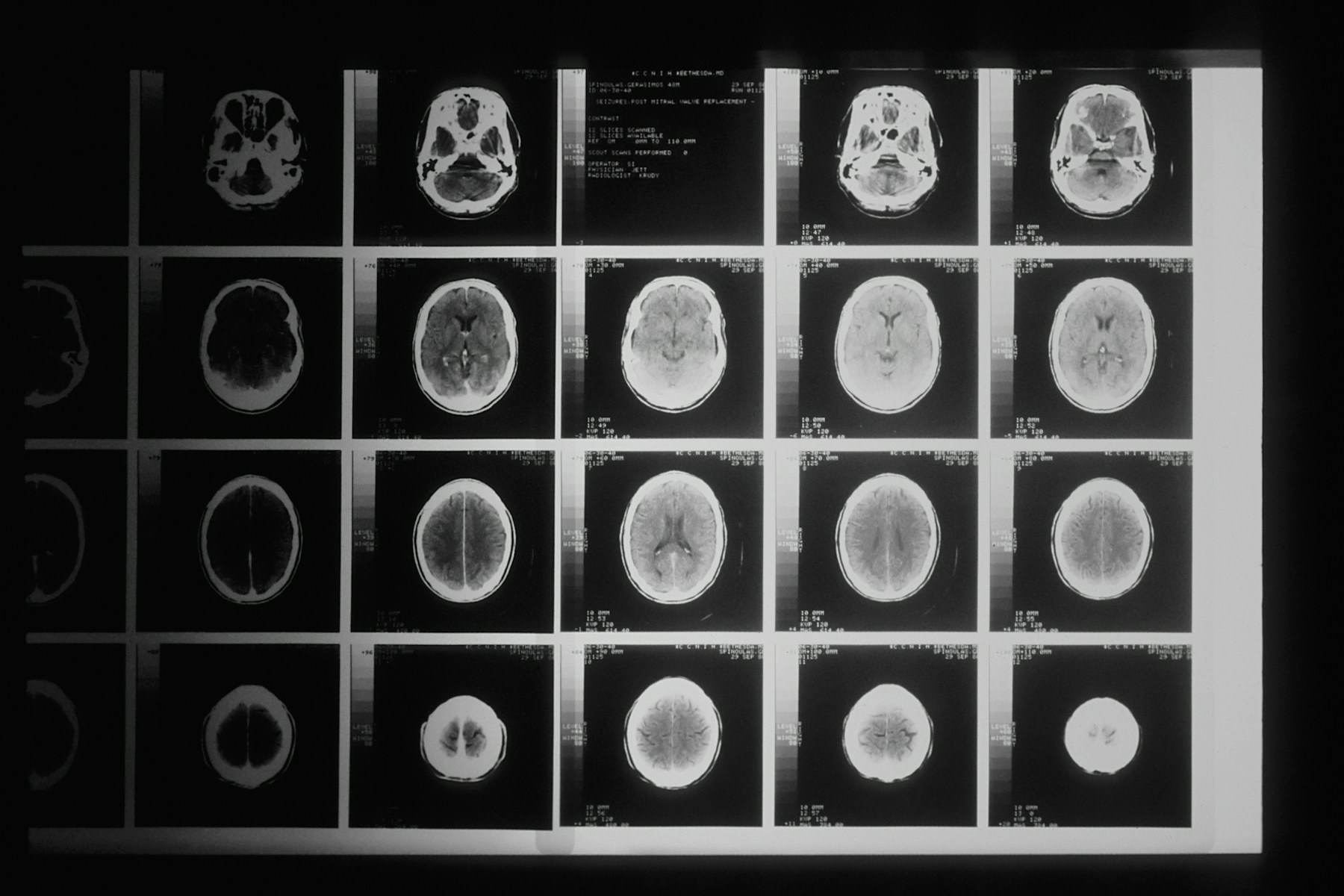
No one can give you a reliable number for a truck crash brain injury until doctors understand how serious and lasting it is. The value usually turns on five things: severity and permanence, future care, lost earning capacity, fault, and the insurance and assets available. In a truck crash case against a private company, Georgia law sets no cap on compensatory damages. You generally have two years to settle or sue (O.C.G.A. § 9-3-33).
Who should you call? First a doctor, because brain injury symptoms may not appear for hours or days. Then a lawyer who handles commercial truck cases. You can speak directly with attorney Jonathan Flack at (678) 653-0309 for a free consultation. You owe no fee and no case costs unless we recover money for you.
Who We Help
Flack Injury Law represents people in Georgia who were hurt in a crash someone else caused, including car, truck, rideshare, delivery vehicle, medical transport van, motorcycle, bicycle and pedestrian crashes, and families after a fatal crash.
We do not defend people who are being sued, and we do not handle property-damage-only, slip and fall or workplace claims. If no one was hurt and your dispute is with your own insurance company over damage to your car, that is not the kind of case we handle. If you were hurt and have an offer or release in front of you, get a free release review before you sign.
What Is My Truck Crash Brain Injury Case Worth?
Any number given before the medical picture is clear is a guess. These are the factors that move it:
- Severity and permanence. A concussion that resolves in weeks differs from an injury that changes memory, mood or work for life.
- Future care. Therapy, medication, supervision and help at home can far exceed the emergency room bill.
- Lost earning capacity. If the injury limits the work you can do, the loss can span your working life.
- Fault. Your recovery is reduced by your share of fault, and you recover nothing at 50% or more (O.C.G.A. § 51-12-33).
- Insurance and assets. A verdict is only as good as the coverage and assets behind it.
Jonathan Flack spent two and a half years on the insurance side of commercial truck cases. He knows insurers price a brain injury on what the records prove, not on what the injured person feels.
Written by attorney Jonathan Flack. Before founding Flack Injury Law, Jonathan spent two and a half years on the insurance side of commercial truck, tractor-trailer and medical transport van cases. Super Lawyers Rising Star (2024 to 2027). The National Trial Lawyers Top 40 Under 40, Civil Plaintiff (2026). GTLA member. Last reviewed: November 1, 2026.
What Counts as a Traumatic Brain Injury?
The CDC describes a traumatic brain injury (TBI) as an injury that affects how the brain works. A mild TBI or concussion can come from a bump, blow or jolt to the head. It can also come from a hit to the body that moves the head and brain quickly back and forth.
TBIs are usually described as mild, moderate or severe. The CDC says mild injuries get that label because they are usually not life-threatening, but their effects can be serious. A moderate or severe TBI may cause long-term or lifelong health problems.
Brain injuries are easy to miss:
- Some symptoms appear right away, while others may not appear for hours or days, according to the CDC.
- Symptoms can look like other health problems, and the injured person may not recognize or admit them.
- The CDC says a CT scan is not needed to spot a mild TBI or concussion. NINDS, part of the National Institutes of Health, says current imaging, blood tests and other measures can’t always detect damage from mild, concussive injuries.
NINDS advises that every TBI be evaluated right away by a professional experienced with these injuries. Get checked, report every symptom and keep follow-up appointments.
Hurt in a crash? Talk with Jonathan Flack.
Free consultation. No fee and no case costs unless we recover money for you.
Texts go straight to attorney Jonathan Flack and his paralegal, Vashti. Calls are answered 24/7.
What Damages Can You Recover for a Brain Injury in Georgia?
Georgia divides damages into special damages, which must be proved, and general damages, which the law presumes (O.C.G.A. § 51-12-2). In plain terms, they cover economic and noneconomic losses:
- Medical expenses. Emergency care, imaging, specialists and therapy to date.
- Future care. Treatment, rehabilitation and attendant care your doctors say you need.
- Lost wages. Pay you missed while recovering.
- Lost earning capacity. The drop in what you can earn over your working life.
- Pain and suffering. Physical pain, headaches, anxiety and depression.
- Loss of enjoyment of life. Hobbies, relationships and independence you have lost.
Is there a cap on brain injury damages in Georgia?
Georgia law sets no cap on compensatory damages, the money that pays for your losses, in an ordinary negligence case against a private trucking company. The state’s statutory cap on noneconomic damages was written only for medical malpractice actions (O.C.G.A. § 51-13-1). In 2010, the Georgia Supreme Court held that cap violated the right to a jury trial in a malpractice case (Atlanta Oculoplastic Surgery, P.C. v. Nestlehutt).
The 2025 tort reform law changed how damages are proven and argued, but it set no dollar limit. Different limits apply if the truck belonged to the state or a local government (O.C.G.A. §§ 50-21-29 and 36-92-2). Punitive damages, which punish rather than compensate, follow separate rules and limits (O.C.G.A. § 51-12-5.1).
How Did Georgia’s 2025 Tort Reform Change Brain Injury Claims?
Georgia’s tort reform laws, Senate Bills 68 and 69, took effect April 21, 2025. Three changes matter most in a brain injury case:
- Medical bills. For crashes on or after April 21, 2025, medical damages are limited to the reasonable value of medically necessary care. The jury may see what providers charged and what your health plan would pay, even if you did not use it (O.C.G.A. § 51-12-1.1).
- Arguing pain and suffering. A lawyer may suggest a dollar amount for noneconomic damages only after the close of evidence. The amount must be rationally related to the evidence (O.C.G.A. § 9-10-184).
- Seat belts. In lawsuits filed on or after April 21, 2025, a jury may consider seat belt nonuse on negligence, causation and fault, and it may reduce your damages, subject to the judge’s evidence rulings (O.C.G.A. § 40-8-76.1(d)).
For a brain injury, these rules make documentation even more important. Our guide to SB 68 covers the full law.
What Evidence Proves a Brain Injury Claim?
Brain injuries are often invisible, so the claim is built from records and from people who knew you before. Key proof includes:
- Emergency records. EMS and ER notes on confusion, memory gaps or loss of consciousness.
- Neurology follow-up. A neurologist or other specialist who tracks symptoms over time.
- Neuropsychological testing. NINDS notes these tests of brain function are often used along with imaging after a mild TBI.
- Imaging. CT and MRI results, including normal ones.
- A life care plan. A projection of the care and support you will need, based on your doctors’ opinions.
- Vocational and economic experts. They assess what work you can still do and the present value of lost earnings and future care.
- Family and coworker statements. They can describe changes in memory, temper and personality that no scan shows.
The trucking company’s records matter too, and some can be discarded quickly. See what evidence a trucking company has to keep after a crash.
How Much Insurance Is Available After a Truck Crash?
Federal law sets minimum liability coverage for trucks with a gross vehicle weight rating of 10,001 pounds or more (49 C.F.R. § 387.9):
- $750,000 for interstate for-hire carriers hauling general, nonhazardous freight.
- $1,000,000 for oil and many other hazardous materials.
- $5,000,000 for certain high-risk hazardous materials, such as some bulk hazardous substances, explosives, toxic gases and radioactive materials.
These are minimums. Many carriers buy more. Our guide to truck insurance coverage limits in Georgia explains how to find every policy.
More than one company may be responsible
- The driver and the motor carrier. The carrier is usually responsible for its driver’s mistakes on the job.
- A freight broker, in some cases. In May 2026, the U.S. Supreme Court held that federal law does not bar claims that a broker carelessly chose an unsafe carrier (Montgomery v. Caribe Transport II, LLC). See freight broker liability after a Georgia truck crash.
- A maintenance company. Carriers must systematically inspect, repair and maintain their trucks (49 C.F.R. § 396.3). An outside shop that did faulty brake or tire work may share fault.
Each company may carry its own policy. Flack Injury Law’s results include $650,000: Tractor-Trailer Head-On Collision in Peachtree City. Prior results do not guarantee a similar outcome.
Can a Spouse or Family Member Act on the Claim?
Loss of consortium
A husband or wife may claim loss of consortium, the loss of the injured spouse’s companionship and support. It is the spouse’s own claim, but it generally fails if the injured spouse’s claim fails (White v. Hubbard, Ga. Ct. App. 1992).
Georgia allows four years for injury actions involving loss of consortium, versus two years for the injury itself (O.C.G.A. § 9-3-33). The Georgia Supreme Court has said the two claims should be joined when both spouses can be served (Stapleton v. Palmore, 1982). Plan to bring both within two years.
If the injured person cannot manage their own affairs
A probate court may appoint a guardian for an adult who lacks capacity to make significant decisions about health or safety (O.C.G.A. § 29-4-1). It may appoint a conservator for decisions about managing property (O.C.G.A. § 29-5-1). A conservator can settle the injured person’s claim, but a larger settlement needs the court’s approval (O.C.G.A. § 29-5-23). Either appointment requires a finding that less restrictive alternatives are not available or appropriate.
Who Should You Call, and When Should You Settle?
After your doctor, call a lawyer who handles commercial truck cases and files suit when needed. Our guide to choosing a truck accident lawyer in Georgia lists questions to ask.
You generally have two years from the crash to settle or file suit (O.C.G.A. § 9-3-33). Negotiating does not pause that deadline, but filing suit preserves the claim.
Settling usually means signing a release that ends the claim, even if the injury proves worse. Read whether to accept a first settlement offer, and what to do after a policy-limits offer.
Truck Crash Brain Injury Questions
Can I have a brain injury if my CT scan was normal?
Yes. NINDS says current imaging and other tests can’t always detect damage from mild, concussive injuries. See a doctor if symptoms continue.
What is the average truck accident brain injury settlement in Georgia?
There is no reliable average. Brain injuries range from concussions that heal to lifelong disability, so an average says little about your case.
Is there a cap on brain injury damages in a Georgia truck accident?
No statute caps compensatory damages in a truck crash case against a private company. Government vehicles have different limits, and punitive damages follow separate rules (O.C.G.A. § 51-12-5.1).
How long do I have to file a brain injury claim after a truck crash in Georgia?
Generally two years from the crash (O.C.G.A. § 9-3-33). A spouse’s consortium action has four years but is usually brought with the injury claim.
Should I wait to settle until I know how bad my brain injury is?
Usually, yes, as long as the two-year deadline is protected. Settle after your doctors can describe your recovery and future care.

Get a Free Case Review From Jonathan Flack
Tell us what happened. Jonathan represents injured people only, and he works directly on every case. You pay no fee and no case costs unless we recover money for you.
Texts go straight to attorney Jonathan Flack and his paralegal, Vashti. Calls are answered 24/7.
“I contacted Jonathan, who immediately responded and visited with us the next day.” Leonard Freedman, client’s husband
Read our Google reviews · See case results
Related Guides
- Determining the Value of Your Personal Injury Case in Georgia
- How Much Insurance Do Trucking Companies Carry in Georgia?
- Georgia Tort Reform SB 68: What Changed for People Hurt in Car and Truck Crashes
- What Evidence Does a Trucking Company Have to Keep After a Crash?
See all our guides for people hurt in Georgia crashes.
This article is general information about Georgia law, not legal advice for any specific situation. Laws change and outcomes depend on facts particular to each case. Reading this page or contacting Flack Injury Law through this website does not create an attorney-client relationship. Do not send confidential information until an attorney-client relationship has been established.