

Blog

  • How Long Does It Typically Take to Settle a Personal Injury Claim in Georgia

    How Long Does It Typically Take to Settle a Personal Injury Claim in Georgia

    When you suffer a personal injury in Georgia, one of the first questions on your mind is likely how long it will take to settle your claim. The process can feel overwhelming, especially when you are dealing with medical bills, lost wages, and emotional stress. Understanding the typical timeline for settling a personal injury claim in Georgia can help you set realistic expectations and plan your next steps.

    Eye-level view of a courthouse entrance in Georgia with steps leading up to the doors
    Typical courthouse entrance in Georgia where personal injury claims are filed

    Factors That Affect the Timeline of a Personal Injury Claim

    The time it takes to settle a personal injury claim varies widely depending on several factors. Here are the key elements that influence how long your case might take:

    • Severity of the Injury

    More serious injuries usually require longer recovery times and more medical documentation. This can extend the negotiation period as both sides assess the full extent of damages.

    • Complexity of the Case

    Cases involving multiple parties, disputed liability, or complicated medical evidence often take longer to resolve.

    • Insurance Company Response

    Some insurance companies act quickly to settle claims, while others may delay or dispute the claim, prolonging the process.

    • Legal Representation

    Having an experienced personal injury attorney can speed up the process by ensuring all paperwork is filed correctly and negotiations are handled efficiently.

    • Court Schedules

    If your case goes to trial, court availability and scheduling can add months or even years to the timeline.

    Typical Timeline for Settling a Personal Injury Claim in Georgia

    While every case is unique, here is a general timeline to give you an idea of what to expect:

    Initial Investigation and Medical Treatment (1 to 3 months)

    After the injury, you should seek medical treatment immediately. Your attorney or insurance company will need medical records to support your claim. This phase includes gathering evidence such as accident reports, witness statements, and medical bills.

    Demand Letter and Negotiations (3 to 6 months)

    Once your medical condition stabilizes, your attorney will send a demand letter to the insurance company outlining your injuries, treatment, and compensation requested. Negotiations usually begin after this. Many claims settle during this phase without going to court.

    Settlement or Filing a Lawsuit (6 to 12 months)

    If the insurance company refuses to offer a fair settlement, your attorney may recommend filing a lawsuit. This step can add several months to the process, depending on court schedules and case complexity.

    Discovery and Pre-Trial Motions (6 to 18 months)

    During discovery, both sides exchange evidence and take depositions. Pre-trial motions may be filed to resolve certain issues before trial. This phase can be lengthy, especially if the case is complicated.

    Trial and Verdict (1 to 3 years)

    If the case does not settle, it will go to trial. Trials can last days or weeks, but the entire process from filing to verdict often takes one to three years.

    Post-Trial and Appeals (Varies)

    After a verdict, either party may appeal, which can extend the timeline further.

    Examples of Different Case Timelines

    • Simple Slip and Fall Case

    A person slips in a grocery store and suffers a minor fracture. After medical treatment and submitting a demand letter, the insurance company agrees to a settlement within 4 months.

    • Car Accident with Disputed Liability

    Two drivers disagree on who caused the accident. The case involves multiple medical specialists and expert witnesses. Settlement takes 18 months after filing a lawsuit.

    • Severe Injury with Long-Term Disability

    A construction worker suffers a severe injury requiring surgery and long-term rehabilitation. The claim involves complex medical records and negotiations. The case settles after 2 years, just before trial.

    Tips to Help Speed Up Your Personal Injury Claim

    • Seek Medical Care Promptly

    Early treatment documents your injuries and supports your claim.

    • Keep Detailed Records

    Save all medical bills, receipts, and correspondence related to your injury.

    • Communicate Clearly with Your Attorney

    Provide all requested information quickly to avoid delays.

    • Avoid Settling Too Early

    Wait until your medical condition stabilizes to understand the full extent of damages.

    • Be Patient but Proactive

    Follow up regularly with your attorney and insurance company.

    What to Expect When Working with an Attorney

    An experienced personal injury attorney in Georgia will guide you through the process, handle negotiations, and protect your rights. They will:

    • Investigate the accident and gather evidence
    • Calculate fair compensation based on your injuries and losses
    • Negotiate with insurance companies on your behalf
    • File a lawsuit if necessary
    • Represent you in court if the case goes to trial

    Having professional help can reduce stress and improve your chances of a fair settlement.
  • Understanding Releases in Personal Injury Settlements in Georgia

    Understanding Releases in Personal Injury Settlements in Georgia

    When you settle a personal injury claim in Georgia, one of the most important documents you will encounter is the release. This legal agreement plays a crucial role in finalizing your case and determining your rights after the settlement. Understanding what a release is, how it works, and what it means for you can help you make informed decisions during the settlement process.

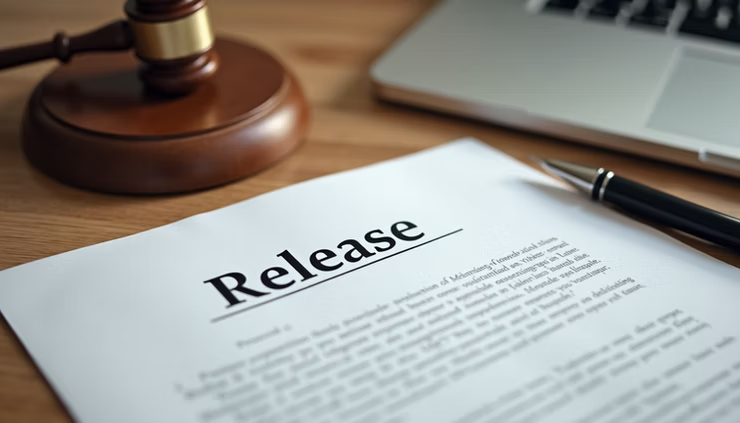
    Eye-level view of a legal document titled "Release Agreement" on a wooden table with a pen
    A close-up of a personal injury release document on a desk with a pen

    What Is a Release in a Personal Injury Settlement?

    A release is a legal contract between the injured party (the claimant) and the party responsible for the injury (the defendant or their insurance company). By signing this document, the claimant agrees to give up any future claims related to the injury in exchange for a settlement payment.

    In simple terms, the release ends the legal dispute. Once signed, you cannot sue the defendant again for the same injury or accident. This agreement protects the defendant from further liability and allows both sides to move forward.

    Why Is a Release Necessary?

    Settlements aim to resolve disputes without going to trial. The release ensures that the settlement is final and binding. Without it, the defendant risks facing additional lawsuits for the same incident, which could lead to more expenses and legal complications.

    For the injured person, the release confirms that they will receive the agreed-upon compensation. It also clarifies the scope of the settlement, so both parties understand what claims are covered.

    Key Elements of a Release in Georgia

    A typical release in a personal injury settlement includes several important components:

    • Parties involved: Names of the claimant and the defendant.
    • Description of the claim: Details about the injury or accident being settled.
    • Settlement amount: The sum the claimant will receive.
    • Release of claims: A statement that the claimant waives any future claims related to the incident.
    • Effective date: When the release takes effect.
    • Signatures: Both parties must sign to make the release valid.

    Georgia law requires that releases be clear and specific. The language should leave no doubt about what claims are being released.

    Types of Releases You May Encounter

    There are different types of releases depending on the scope of the settlement:

    • General Release

    This type covers all claims related to the incident, including known and unknown injuries. It offers broad protection to the defendant.

    • Limited Release

    This release covers only specific claims or injuries. It may allow the claimant to pursue other related claims later.

    • Partial Release

    Sometimes, a claimant may settle part of their claim and release only certain parties or issues, keeping other claims open.

    Choosing the right type of release depends on your case details and settlement goals.

    What to Watch Out for Before Signing a Release

    Signing a release is a serious decision. Once signed, you lose the right to sue for the same injury. Here are some important tips:

    • Read carefully: Understand every clause and what claims you are giving up.
    • Consult a lawyer: A personal injury attorney can explain the legal terms and advise if the settlement is fair.
    • Check for future medical needs: If your injury may require ongoing treatment, make sure the settlement covers those costs.
    • Confirm all parties are included: Ensure the release names all responsible parties to avoid future claims.

    If you sign without fully understanding the release, you might miss out on compensation for future damages or related claims.

    How Releases Affect Your Settlement Amount

    The release protects the defendant by preventing future lawsuits. Because of this, defendants and insurance companies often require a release before paying the settlement.

    In some cases, the scope of the release can influence the settlement amount. For example, a general release that covers all claims might result in a higher payment than a limited release. This is because the defendant wants to avoid any future liability.

    Your attorney can help negotiate the terms of the release to balance protection for the defendant with your right to fair compensation.

    Example of a Release Scenario in Georgia

    Imagine you were injured in a car accident caused by another driver. After medical treatment and lost wages, you agree to settle for $50,000. Before receiving the money, you must sign a release.

    The release states you will not sue the driver or their insurance company for any injuries related to the accident. It covers all damages, including medical bills, pain and suffering, and lost income.

    Once signed, you receive the settlement check. If later you discover a new injury from the accident, you cannot file another claim because the release covers all related claims.

    What Happens If You Don’t Sign a Release?

    Without a signed release, the defendant is unlikely to pay the settlement. The release is the legal proof that you have accepted the settlement and waived future claims.

    If you refuse to sign, the case may proceed to trial, which can be costly and time-consuming. Alternatively, you might negotiate different terms or a higher settlement before signing.

    Final Thoughts on Releases in Georgia Personal Injury Settlements

    A release is a critical part of settling a personal injury claim in Georgia. It finalizes the agreement and protects both parties from future disputes. Understanding what a release means and how it affects your rights can help you avoid costly mistakes.

    Before signing any release, take the time to review the document carefully and seek legal advice. This ensures you receive fair compensation and fully understand the consequences of giving up your right to sue.

    If you are involved in a personal injury settlement, knowing how releases work will help you make confident decisions and protect your interests.

  • How to Manage Medical Bills in Georgia While Awaiting Your Personal Injury Settlement

    How to Manage Medical Bills in Georgia While Awaiting Your Personal Injury Settlement

    Waiting for a personal injury settlement in Georgia can be stressful, especially when medical bills keep piling up. Many injured individuals face the challenge of covering healthcare costs before their case resolves. This post offers practical advice on handling medical expenses during this uncertain period, helping you avoid financial strain while you wait for your settlement.

    Eye-level view of a stack of medical bills and a calculator on a wooden table
    Managing medical bills while awaiting personal injury settlement

    Understand Your Medical Bills and Insurance Coverage

    The first step is to carefully review your medical bills and insurance statements. In Georgia, your health insurance may cover some or all of your treatment costs, depending on your policy. Contact your insurance provider to confirm:

    • What treatments and services are covered
    • How much you owe out-of-pocket
    • Whether your provider has submitted claims correctly

    If you have health insurance, it can significantly reduce your immediate financial burden. If you do not have insurance, ask your healthcare provider about payment plans or discounts for uninsured patients.

    Communicate with Healthcare Providers

    Many medical providers understand that personal injury cases take time to settle. Reach out to your doctors, hospitals, and clinics to explain your situation. You can:

    • Request a payment plan that spreads out your bills over several months
    • Ask if they offer any financial assistance programs
    • Negotiate reduced fees based on your circumstances

    Providers often prefer working with patients to find manageable solutions rather than pursuing collections immediately.

    Use Medical Payment Plans and Credit Options Wisely

    If your provider offers a payment plan, make sure you understand the terms before agreeing. Look for plans with:

    • No or low interest rates
    • Flexible monthly payments
    • No penalties for early repayment

    Alternatively, some patients use medical credit cards or personal loans to cover bills temporarily. Be cautious with these options, as they can carry high interest rates and fees. Only use credit if you have a clear plan to repay it once your settlement arrives.

    Explore Georgia’s Medical Lien Options

    In some cases, your healthcare provider or attorney may place a medical lien on your personal injury settlement. This means the provider agrees to wait for payment until your case resolves. Medical liens can help you get treatment without upfront costs, but they come with risks:

    • Liens may reduce the amount you receive from your settlement
    • You might owe more if the settlement is lower than expected

    Discuss medical liens with your attorney to understand how they affect your case and finances.

    Seek Help from a Personal Injury Attorney

    A qualified personal injury attorney in Georgia can guide you through managing medical bills while your case is pending. They can:

    • Negotiate with healthcare providers on your behalf
    • Advise on medical liens and payment options
    • Help prioritize bills and expenses
    • Work to expedite your settlement process

    Having professional support reduces stress and improves your chances of handling medical costs effectively.

    Consider Community Resources and Assistance Programs

    Georgia offers some community programs that may help with medical expenses, especially if you face financial hardship. Look into:

    • Local nonprofit organizations that assist injury victims
    • State health programs for low-income residents
    • Charitable clinics offering free or reduced-cost care

    These resources can provide temporary relief while you wait for your settlement.

    Keep Detailed Records of All Medical Expenses

    Organize all your medical bills, insurance statements, payment receipts, and correspondence with providers. Keeping detailed records helps you:

    • Track what you owe and what has been paid
    • Provide documentation to your attorney
    • Avoid duplicate payments or billing errors

    Use folders or digital tools to maintain easy access to this information.

    Avoid Ignoring Medical Bills

    Ignoring bills can lead to collections, damaged credit, and increased stress. Even if you cannot pay in full, communicate with providers and make partial payments if possible. This shows good faith and may prevent aggressive collection actions.

    Plan Your Budget During the Waiting Period

    While managing medical bills, review your overall budget. Cut non-essential expenses and prioritize payments that protect your credit and health. Consider:

    • Reducing discretionary spending
    • Using emergency savings carefully
    • Seeking temporary financial assistance from family or friends if needed

    A clear budget helps you stay on top of bills without creating new financial problems.

  • How Long Do You Have to File a Claim After an Accident in Georgia

    How Long Do You Have to File a Claim After an Accident in Georgia

    When you’re injured in a Georgia accident, knowing how long you have to file a claim is critical. If you miss the legal deadline, you could lose your right to pursue compensation for medical bills, lost wages, and other damages. This guide breaks down Georgia’s statute of limitations, the factors that can shorten or extend your filing window, and the steps you should take to protect your rights.

    Georgia courthouse building with steps and columns

    Understanding the Statute of Limitations in Georgia

    The statute of limitations sets the maximum time after an accident during which you can file a lawsuit or claim. In Georgia, these time limits vary depending on the type of claim and the circumstances of the accident.

    Personal Injury Claims

    For most personal injury claims, including car accidents, slip and fall injuries, or other accidents caused by someone else’s negligence, the statute of limitations is two years from the date of the accident. This means you must file your claim or lawsuit within two years or risk losing your right to compensation.

    Property Damage Claims

    If your claim involves only property damage, such as damage to your vehicle or personal belongings, the deadline to file a claim is also generally two years from the date of the accident.

    Wrongful Death Claims

    If the accident results in a fatality, the surviving family members have two years from the date of death to file a wrongful death claim in Georgia.

    Exceptions and Special Cases

    Certain situations can change these deadlines:

    • Claims against government entities: If your accident involves a government agency or employee, you usually have only one year to file a claim. You must also provide a written notice of the claim within six months.
    • Minors or incapacitated persons: The statute of limitations may be extended if the injured party is a minor or mentally incapacitated at the time of the accident.
    • Discovery rule: In some cases, if the injury or damage was not immediately apparent, the clock may start when the injury was discovered or should have been discovered.

    Why Filing on Time Matters

    Filing your claim within the legal time frame is essential because courts will dismiss cases filed late. Even if your case has strong evidence, missing the deadline means you cannot pursue compensation through the legal system.

    Here are some reasons to act promptly:

    • Preserve evidence: Witness memories fade, and physical evidence can be lost over time.
    • Medical treatment: Early medical records support your claim and show the extent of your injuries.
    • Insurance requirements: Insurance companies often require prompt notification to process claims efficiently.

    Steps to Take After an Accident in Georgia

    To protect your rights and meet deadlines, follow these steps immediately after an accident:

    1. Seek medical attention Even if injuries seem minor, get checked by a healthcare professional. Documenting your injuries early helps support your claim.
    2. Report the accident Call the police and file an accident report. This official record is important for insurance and legal purposes.
    3. Notify your insurance company Inform your insurer about the accident as soon as possible. Provide accurate details but avoid admitting fault.
    4. Gather evidence Collect photos of the accident scene, vehicle damage, and any visible injuries. Get contact information from witnesses.
    5. Consult a Georgia accident attorney An experienced lawyer can explain your rights, help file claims on time, and negotiate with insurance companies.

    Examples of Filing Deadlines in Real Cases

    • A driver injured in a rear-end collision in Atlanta must file a personal injury claim within two years of the accident date. If the accident occurred on January 1, 2023, the claim must be filed by January 1, 2025.
    • A pedestrian hit by a city bus in Savannah has one year to file a claim against the government entity and must notify the city within six months.
    • A family filing a wrongful death claim after a fatal motorcycle accident in Augusta has two years from the date of death to file the lawsuit.

    What Happens If You Miss the Deadline

    If you file your claim after the statute of limitations expires, the court will likely dismiss your case. This means you lose the chance to recover damages for medical bills, lost wages, pain and suffering, or property repairs.

    Sometimes, courts may allow exceptions, but these are rare and require strong justification. It is safer to assume the deadline is firm and act quickly.

    Final Thoughts on Filing Claims After an Accident in Georgia

    Knowing how long you have to file a claim after an accident in Georgia is vital to protect your legal rights. Most claims must be filed within two years, but exceptions exist depending on the type of claim and parties involved.

  • Atlanta’s Most Crash-Prone Intersections (And How to Stay Safe)

    Atlanta’s Most Crash-Prone Intersections (And How to Stay Safe)

    Summer in Atlanta means heat, family time, and for many of us, more time on the road. Between pool weekends and quick escapes to Lake Oconee, my family has been making the most of the season—Julian even went tubing for the first time and loved it, while Suzy is happily discovering the world one snack (or toy) at a time.

    But all that driving has reminded me of something important: Atlanta has some notoriously dangerous areas for car crashes. Whether you’re commuting through the city or heading out for summer fun, it’s worth knowing which intersections and highways demand extra caution.

    Atlanta’s Most Dangerous Intersections

    According to Georgia Department of Transportation crash data, these five intersections had the highest number of reported collisions between 2020 and 2024:

    • Northside Dr & Marietta St – 611 crashes
    • Piedmont Rd & Peachtree Rd – 564 crashes
    • Northside Dr & 14th St – 448 crashes
    • Boulevard NE & Freedom Parkway – 401 crashes
    • Ponce de Leon Ave & Moreland Ave / Briarcliff Rd – 339 crashes
    Atlanta’s Most Dangerous Intersection: Northside Drive and Marietta Street

    What do these intersections have in common? They’re located along busy corridors with high-speed traffic, multiple lanes, and complex layouts—conditions that make crashes more likely, especially when drivers are distracted or aggressive.

    And while crash counts give us one perspective, remember: the number of vehicles passing through also matters. A full risk assessment would also consider traffic volume and severity of crashes, but these locations still stand out for their danger.

    Atlanta Highway Hotspots

    In addition to intersections, Atlanta’s highways are especially risky. The Downtown Connector (I-75/I-85) and I-20, particularly near exits like 10th, 14th, and 17th Streets and Moreland Avenue, are frequent sites of high-speed collisions. Congestion, constant merging, and distracted drivers create a perfect storm for accidents.

    If you regularly drive these routes, give yourself extra time and space. Staying calm and alert can make all the difference.

    Safety Tip of the Month: Be Cautious with Left Turns

    Left turns at busy intersections are among the most common causes of crashes. Even when you’re following the rules, limited visibility and fast-moving oncoming traffic can make a simple turn dangerous.

    Here are a few tips:

    • Use intersections with protected left turn arrows whenever possible.
    • Avoid turning on yellow—you never know how fast the next car is coming.
    • Don’t assume cross traffic will stop just because your light is green. Wait until you’re sure all lanes have fully cleared.

    Final Thoughts

    Crash statistics might seem abstract—until you realize they’re happening right in your neighborhood, on streets you travel every day. The good news is that awareness is powerful. With a few smart choices—like choosing safer routes, slowing down, and staying focused—you can reduce your risk significantly.

    And if you or a loved one is injured in a car accident, I’m here to help. At Flack Injury Law, I fight for my clients to ensure they get the care and compensation they deserve.

    Call or text me anytime at (678) 653-0309

    Or email: flack@flackinjurylaw.com

  • Essential Steps to Take After a Car Accident in Georgia

    Essential Steps to Take After a Car Accident in Georgia

    Car accidents can happen unexpectedly, leaving you feeling overwhelmed and unsure of what to do next. Knowing the right steps to take immediately after a crash can protect your safety, legal rights, and financial interests. This guide offers a clear, step-by-step checklist tailored for drivers in Georgia, helping you handle the situation calmly and effectively.

    Damaged car on roadside after accident in Georgia

    Check for Injuries and Ensure Safety

    The first priority after a car accident is to check yourself and others for injuries. Even if the crash seems minor, some injuries may not be immediately obvious. If anyone is hurt, call 911 right away to get medical help.

    Once you confirm everyone’s condition, move to a safe location if possible. If the vehicles are blocking traffic and can be moved, pull them to the shoulder or a nearby parking area. Turn on your hazard lights to alert other drivers.

    Call the Police and Report the Accident

    Georgia law requires you to report any accident involving injury, death, or property damage over $500. Calling the police ensures an official report is created, which can be crucial for insurance claims and legal matters.

    When the police arrive, provide clear and honest information about what happened. Avoid admitting fault or blaming others at the scene. Instead, stick to the facts and let the officers document the situation.

    Exchange Information with Other Drivers

    Collecting accurate information from everyone involved is essential. Make sure to get:

    • Full names and contact details
    • Driver’s license numbers
    • Vehicle registration and license plate numbers
    • Insurance company names and policy numbers
    • Make, model, and color of the vehicles

    If there are witnesses, ask for their names and phone numbers as well. Their statements can support your version of events if disputes arise later.

    Document the Scene Thoroughly

    Taking photos and notes at the accident scene can protect you during insurance claims or legal disputes. Use your phone or camera to capture:

    • Damage to all vehicles from multiple angles
    • The overall accident location, including road signs, traffic signals, and skid marks
    • Any visible injuries or damaged property
    • Weather and lighting conditions

    Write down details such as the time, date, and weather. If you remember specific conversations or observations, note those too.

    Notify Your Insurance Company Promptly

    Contact your insurance provider as soon as possible to report the accident. Provide them with the police report number, photos, and all collected information. Be honest and clear when describing the incident.

    Georgia follows a fault-based insurance system, so your insurer will investigate to determine liability. Prompt reporting helps speed up the claims process and prevents potential denial due to late notification.

    Understand Georgia’s Car Accident Laws

    Georgia requires drivers to carry minimum liability insurance: $25,000 for injury or death per person, $50,000 per accident, and $25,000 for property damage. Knowing these limits helps you understand what compensation you might expect.

    If the accident involves serious injury or disputes, consulting a local attorney can protect your rights. They can guide you through negotiations or court proceedings if needed.

    Seek Medical Attention Even if You Feel Fine

    Some injuries, like whiplash or internal trauma, may not show symptoms immediately. Visiting a doctor after the accident ensures any hidden injuries are diagnosed and treated early.

    Medical records also provide important evidence if you pursue compensation for injury-related expenses.

    Keep Detailed Records of All Accident-Related Expenses

    Track all costs related to the accident, including:

    • Medical bills and prescriptions
    • Vehicle repair estimates and receipts
    • Rental car expenses
    • Lost wages due to injury
    • Any other out-of-pocket costs

    Organizing these records will support your insurance claim or legal case.

    Avoid Discussing Fault or Settling Quickly

    Insurance adjusters or other parties may try to get you to admit fault or accept a quick settlement. Be cautious and do not sign any documents without fully understanding them.

    If you feel unsure, seek advice from a qualified attorney before agreeing to any settlement offers.

  • Atlanta Traffic, Safety Trends, and How They Affect Car Crash Risk in Georgia

    Atlanta Traffic, Safety Trends, and How They Affect Car Crash Risk in Georgia

    Insights from Flack Injury Law

    Every month, we publish practical, Georgia-focused safety guidance to help drivers protect themselves and their families on the road. This month’s update highlights several surprising traffic and safety trends affecting metro-Atlanta drivers — including the worst day of the week for traffic, how small changes in speed dramatically increase crash severity, and why the end of daylight saving time leads to a spike in car wrecks.

    These insights don’t just come from studies — they come from what we see every day while helping injured Georgians recover after serious collisions.

    When Is Atlanta’s Traffic the Worst (and Most Dangerous)?

    A new transportation study found that Wednesday between 4–6 pm is the single worst time for overall traffic in metro-Atlanta.

    Why Wednesdays? Since the pandemic, hybrid work schedules have changed the flow of Atlanta commuting. Many employees now work from home on Mondays and Fridays, which dramatically reduces early-week and late-week congestion. As a result:

    • Tuesdays, Wednesdays, and Thursdays now carry the heaviest traffic
    • Wednesday evenings are the most congested and statistically the most crash-prone

    If you must drive during mid-week rush hours, give yourself more travel time and stay alert to sudden slowdowns — rear-end collisions rise sharply during heavy stop-and-go traffic.

    Speeding Barely Saves Time — But Greatly Increases Crash Severity

    Most drivers believe that speeding significantly reduces travel time. The truth is, it usually doesn’t.

    On a 30-mile highway trip:

    • Increasing speed from 60 mph → 70 mph saves roughly 4 minutes
    • But it increases crash force by 36%

    That’s over one-third more impact force transferred to your vehicle and your body.

    National Highway Traffic Safety Administration (NHTSA) data shows:

    • Speeding contributes to nearly 30% of all traffic deaths in the U.S.
    • Injury severity rises exponentially with speed — even small increases make a big difference

    In many of the cases we handle, a driver was “only going a little over the speed limit,” yet the resulting injuries were far more serious than they would have been at lower speeds.

    Why the End of Daylight Saving Time Brings More Car Accidents

    When daylight saving time ends each November, evening commutes suddenly become darker — and more dangerous.

    Multiple studies show:

    • A 6–10% increase in car crashes the week after clocks change
    • Higher rates of evening collisions, especially involving pedestrians
    • A spike in drowsy driving, particularly during late-afternoon and early-evening hours

    Shorter days also mean:

    • More nighttime driving
    • Reduced visibility
    • Slower reaction times

    To reduce risk:

    • Ensure your headlights and taillights are clean and fully functional
    • Reduce your speed during dark commutes
    • Stay alert for pedestrians, cyclists, and sudden traffic stops

    Dark roads plus heavy Atlanta traffic is a dangerous combination — especially in November and December.

    A Personal Note

    We recently celebrated my birthday with a family dinner — here’s a photo of my children, Julian and Suzanna, my wife Ashley, and my parents Krista and Gary. Julian is almost three, and Suzy is about to turn one. (The adults’ ages will remain protected information!)

    Family time is a big reminder of why our work matters: every client we help is someone else’s spouse, parent, or child.

    If You’ve Been Injured in a Car Accident in Georgia, We’re Here to Help

    Flack Injury Law is dedicated to helping Georgians recover physically, financially, and emotionally after a car accident. We focus exclusively on injury law, and we fight to secure the maximum compensation available — including medical bills, lost wages, pain and suffering, and long-term care needs.

    Whether your collision happened yesterday or months ago, you can reach out anytime with questions. There’s no cost to speak with us, and no fee unless we win your case.

    Call or text: (678) 653-0309

    We’re here to help you navigate the road ahead.

    Jonathan Flack

    Flack Injury Law

  • What to Do After a Car Accident in Atlanta: Step-by-Step Checklist

    What to Do After a Car Accident in Atlanta: Step-by-Step Checklist

    Car accidents can happen unexpectedly, and knowing what to do immediately afterward can make a big difference. Whether it’s a minor fender bender or a more serious collision, following the right steps helps protect your safety, your legal rights, and your ability to get compensation if needed. This checklist guides you through what to do after a car accident in Atlanta, so you stay calm and organized during a stressful time.

    Damaged car on Atlanta street after accident

    Check for Injuries and Ensure Safety

    The first priority after any accident is safety. Check yourself and passengers for injuries. If anyone is hurt, call 911 immediately to get medical help. Even if injuries seem minor, some symptoms may appear later.

    If the accident is minor and no one is seriously injured, move vehicles out of traffic if possible. Turn on hazard lights to warn other drivers. Avoid standing in the road or near moving traffic.

    Call the Police and Report the Accident

    In Atlanta, you must report accidents to the police if there is injury, death, or property damage over $500. Calling the police ensures an official report is created, which can be important for insurance claims and legal matters.

    When the police arrive, provide clear and honest information. Avoid admitting fault or blaming others at the scene. Instead, stick to the facts about what happened.

    Exchange Information with Other Drivers

    Collect important details from everyone involved in the accident:

    • Full name and contact information
    • Driver’s license number
    • Vehicle make, model, year, and color
    • License plate number
    • Insurance company and policy number

    Also, note the location, date, and time of the accident. If there are witnesses, ask for their names and phone numbers.

    Document the Scene Thoroughly

    Gather as much evidence as possible while at the scene. Use your phone or camera to take clear photos of:

    • Damage to all vehicles from multiple angles
    • The overall accident scene, including road conditions and traffic signs
    • Skid marks, debris, or other relevant details
    • Any visible injuries

    Write down your own account of what happened as soon as you can. This documentation will support your insurance claim or any legal action.

    Avoid Discussing Fault or Settling on the Spot

    Do not admit fault or agree to pay for damages at the scene. Fault can be complicated and is determined based on evidence and sometimes legal advice. Let insurance companies and, if necessary, attorneys handle fault determination.

    Avoid heated arguments or confrontations with other drivers. Stay calm and polite.

    Notify Your Insurance Company Promptly

    Contact your insurance provider as soon as possible to report the accident. Provide them with all the information and documentation you collected. Be honest and detailed in your description.

    Ask your insurer about the next steps for filing a claim and getting your vehicle repaired. Keep records of all communications with your insurance company.

    Seek Medical Attention Even if You Feel Fine

    Some injuries from car accidents, such as whiplash or internal trauma, may not be immediately obvious. Visiting a doctor for a full checkup can catch hidden injuries early.

    Medical records also serve as important evidence if you pursue compensation for injuries later.

    Understand Georgia’s Car Accident Laws

    Georgia follows a fault-based system for car accidents. The driver responsible for causing the accident is liable for damages. Georgia also has a comparative negligence rule, meaning if you share some fault, your compensation may be reduced proportionally.

    Knowing these laws helps you understand your rights and what to expect during insurance claims or legal proceedings.

    Consider Consulting a Car Accident Attorney

    If the accident caused serious injuries, significant property damage, or if fault is disputed, consulting a local Atlanta car accident attorney can be helpful. An attorney can guide you through the claims process, negotiate with insurance companies, and protect your legal rights.

    Many attorneys offer free consultations to review your case.

    Follow Up on Repairs and Claims

    After reporting the accident and filing claims, stay organized. Keep copies of repair estimates, medical bills, and correspondence with insurance companies.

    If your vehicle needs repairs, choose a reputable repair shop. Some insurance companies have preferred providers, but you have the right to select your own.

    Stay Calm and Patient Throughout the Process

    Dealing with the aftermath of a car accident can be stressful. Insurance claims and legal matters often take time. Staying calm, organized, and informed helps you navigate the process more smoothly.

  • 7 Common Mistakes to Avoid After a Car Accident

    7 Common Mistakes to Avoid After a Car Accident

    Updated: Jul 28, 2025

    Car accidents can be shocking and overwhelming experiences. In the blink of an eye, your life can change. After the initial shock wears off, it is crucial to know how to handle the situation properly. Making mistakes in the aftermath can lead to complications, both legally and financially. Here are seven common mistakes to avoid after a car accident.

    Not Checking for Injuries

    One of the first things to do after a car accident is to check for injuries. This applies not only to yourself but also to passengers and others involved in the accident.

    If you or anyone else is injured, call for medical help immediately. Even if you feel fine, it is wise to get checked out. Some injuries may not be immediately apparent.

    For example, whiplash or concussions can take time to show symptoms. Ignoring these injuries can lead to serious health issues later on.

    Failing to Call the Police

    Another common mistake is not calling the police. Even if the accident seems minor, having an official report can be crucial.

    The police can document the scene, gather witness statements, and create a report that may be needed for insurance claims.

    Without this report, it may be challenging to prove what happened. This can lead to disputes with insurance companies or even legal issues down the line.

    Admitting Fault

    After an accident, emotions can run high. It is essential to remain calm and avoid admitting fault at the scene.

    Even if you think you may be responsible, do not say so. Admitting fault can complicate insurance claims and legal matters.

    Instead, focus on gathering information and letting the authorities determine what happened.

    Not Collecting Evidence

    Failing to collect evidence is another mistake many people make. Take photos of the accident scene, vehicle damage, and any relevant road signs or signals.

    This evidence can be invaluable when dealing with insurance companies or legal matters.

    Additionally, gather contact information from witnesses. Their statements can support your case if disputes arise later.

    Neglecting to Notify Your Insurance Company

    After an accident, it is crucial to notify your insurance company as soon as possible. Many policies require you to report accidents within a specific timeframe.

    Delaying this can lead to complications with your claim.

    When you contact your insurer, provide them with all the necessary details. This includes the police report, photos, and witness information.

    Settling Too Quickly

    In the aftermath of an accident, you may feel pressured to settle quickly. Insurance companies often want to resolve claims as fast as possible.

    However, accepting a quick settlement may not be in your best interest.

    Take your time to assess the full extent of your injuries and damages. Consult with a legal professional if needed.

    Settling too quickly can leave you with unexpected expenses later on.

    Ignoring Legal Advice

    Finally, ignoring legal advice can be a significant mistake. If you are involved in a serious accident, it is wise to consult with a lawyer.

    They can help you navigate the complexities of insurance claims and legal proceedings.

    Even if you think you can handle it on your own, having professional guidance can save you time and money in the long run.

    Final Thoughts

    Navigating the aftermath of a car accident can be challenging. By avoiding these common mistakes, you can protect yourself and your interests.

    Remember to stay calm, gather evidence, and seek help when needed.

    Taking the right steps can make a significant difference in how your situation unfolds.

    Stay informed, stay safe, and drive carefully.

  • Top Tips for Choosing a Personal Injury Attorney in Georgia

    Top Tips for Choosing a Personal Injury Attorney in Georgia

    Finding the right personal injury attorney can feel overwhelming, especially in a bustling city like Georgia. With so many options available, how do you know which attorney is the best fit for your case? This guide will provide you with essential tips to help you make an informed decision.

    Choosing the right attorney is crucial, as they will be your advocate during a challenging time. Whether you have been in a car accident, suffered a slip and fall, or experienced any other type of personal injury, the right legal representation can make a significant difference in the outcome of your case.

    Let’s explore some key factors to consider when selecting a personal injury attorney in Georgia.

    Understand Your Needs

    Before you start searching for an attorney, take a moment to assess your specific needs.

    • Type of Injury: Different attorneys specialize in various types of personal injury cases. For example, if you were injured in a car accident, look for an attorney who has experience in that area.
    • Complexity of Your Case: If your case involves multiple parties or significant medical issues, you may need an attorney with a proven track record in complex cases.

    Understanding your needs will help you narrow down your options and find an attorney who is well-suited to handle your case.

    Research Potential Attorney

    Once you have a clear understanding of your needs, it’s time to start researching potential attorneys.

    • Online Reviews: Websites like Avvo and Google Reviews can provide insights into an attorney’s reputation. Look for feedback from previous clients to gauge their experiences.
    • Referrals: Ask friends, family, or colleagues if they can recommend a personal injury attorney. Personal referrals can often lead you to trustworthy professionals.
    • Bar Association: The State Bar of Georgia has a directory of licensed attorneys. You can check if an attorney is in good standing and if they have any disciplinary actions against them.

    Doing thorough research will help you compile a list of potential candidates.

    Schedule Consultations

    Most personal injury attorneys offer free consultations. Take advantage of this opportunity to meet with potential attorneys and ask questions.

    • Prepare Questions: Before your meeting, prepare a list of questions to ask. Some important questions include:

    – What is your experience with cases like mine?

    – What is your fee structure?

    – How will you communicate with me throughout the process?

    • Assess Compatibility: During the consultation, pay attention to how the attorney interacts with you. You want someone who listens to your concerns and makes you feel comfortable.

    Scheduling consultations will give you a better sense of which attorney is the right fit for you.

    Evaluate Experience and Track Record

    Experience matters when it comes to personal injury cases.

    • Years in Practice: Look for an attorney who has been practicing for several years, particularly in personal injury law.
    • Successful Outcomes: Ask about their track record with similar cases. An attorney with a history of successful settlements or verdicts is more likely to achieve a favorable outcome for you.

    Evaluating an attorney’s experience and track record will help you make a more informed decision.

    Consider Communication Style

    Effective communication is key in any attorney-client relationship.

    • Responsiveness: Pay attention to how quickly the attorney responds to your inquiries during the consultation. A prompt response is a good sign of their commitment to your case.
    • Clarity: The attorney should be able to explain legal concepts in a way that you can understand. If you feel confused or overwhelmed, it may be a sign that they are not the right fit for you.

    Choosing an attorney with a communication style that matches your preferences will make the process smoother.

    Review Fee Structures

    Understanding an attorney’s fee structure is essential before making a decision.

    • Contingency Fees: Many personal injury attorneys work on a contingency fee basis, meaning they only get paid if you win your case. This can be beneficial if you are concerned about upfront costs.
    • Additional Costs: Inquire about any additional costs that may arise during the case, such as court fees or expert witness fees. Make sure you have a clear understanding of what you will be responsible for.

    Reviewing fee structures will help you avoid any surprises down the line.

    Trust Your Instincts

    After gathering all the necessary information, trust your instincts.

    • Gut Feeling: Sometimes, your intuition can guide you in the right direction. If you feel comfortable and confident with a particular attorney, that may be a sign that they are the right choice for you.
    • Second Opinions: If you are unsure, don’t hesitate to seek a second opinion. Meeting with multiple attorneys can help you feel more confident in your decision.

    Trusting your instincts will help you choose an attorney who aligns with your needs and values.

    Ask About Their Approach to Your Case

    Every attorney has a unique approach to handling cases.

    • Strategy: Ask the attorney how they plan to approach your case. A good attorney will have a clear strategy and be able to explain it to you.
    • Involvement: Inquire about how involved you will be in the process. Some clients prefer to be hands-on, while others want their attorney to handle everything.

    Understanding their approach will help you determine if it aligns with your expectations.

    Look for Local Expertise

    Choosing an attorney who is familiar with Georgia’s legal landscape can be beneficial.

    • Local Laws: An attorney who practices in Georgia will have a better understanding of local laws and regulations that may affect your case.
    • Connections: Local attorneys often have established relationships with judges and other legal professionals, which can be advantageous during negotiations.

    Looking for local expertise can give you an edge in your case.

    Check for Professional Affiliations

    Professional affiliations can indicate an attorney’s commitment to their field.

    • Memberships: Look for attorneys who are members of professional organizations, such as the Georgia Trial Lawyers Association. Membership in these organizations often requires adherence to ethical standards and ongoing education.
    • Awards and Recognition: Awards from legal organizations can also be a sign of an attorney’s dedication and skill.

    Checking for professional affiliations can provide additional assurance of an attorney’s qualifications.

    Understand the Timeline

    Personal injury cases can take time to resolve.

    • Case Duration: During your consultation, ask the attorney about the typical timeline for cases similar to yours.
    • Patience: Be prepared for the possibility that your case may take several months or even years to resolve, especially if it goes to trial.

    Understanding the timeline will help you set realistic expectations.

    Stay Informed Throughout the Process

    Once you have chosen an attorney, it is important to stay informed throughout the process.

    • Regular Updates: Make sure your attorney provides regular updates on the status of your case.
    • Ask Questions: Don’t hesitate to ask questions if you are unsure about something. A good attorney will be happy to clarify any concerns you may have.

    Staying informed will help you feel more confident and engaged in your case.

    Final Thoughts

    Choosing a personal injury attorney in Georgia is a significant decision that can impact the outcome of your case. By following these tips, you can make a more informed choice and find an attorney who is the right fit for your needs.

    Remember to assess your needs, research potential candidates, and trust your instincts. With the right attorney by your side, you can navigate the complexities of your case with confidence.

    A personal injury attorney providing legal advice to a client in an office setting.

    Your journey toward justice begins with the right legal representation. Take your time, do your research, and choose wisely. You deserve an attorney who will fight for your rights and help you achieve the best possible outcome.