
Atlanta Non-Emergency Medical Transportation Accident Attorney
A non-emergency medical transportation accident in Atlanta can raise serious concerns, especially when the passenger already has medical needs or mobility limitations. Families often expect these transportation providers to prioritize safety because they serve vulnerable riders. In reality, NEMT companies may operate on tight schedules, rely on third-party contractors, and navigate congested pickup and drop-off areas where stops feel rushed. Our Atlanta non-emergency medical transportation accident attorney at Flack Injury Law understands that an injury during medical transportation creates immediate uncertainty, especially when the passenger already faces health concerns. Our goal is fast communication and clear guidance from your initial consultation through resolution, so you always understand what matters next and why.
Non-emergency medical transportation accident claims also create issues that do not show up in a standard car wreck. These cases may involve multiple responsible parties, including the driver, the transportation company, and any contractor relationships that control training, supervision, or vehicle upkeep. Important records can exist outside the police report, including trip logs, dispatch notes, vehicle inspection documentation, and policies that govern passenger handling and safe loading. Flack Injury Law builds these claims with a focus on the operational details that explain how the incident happened and the medical documentation that supports full compensation for injuries, follow-up care, and any long-term limitations tied to the event.
We are selective with our caseload because clients deserve real attention in high-stakes claims like these. We keep you informed, prepare your case with discipline, and push back when insurers try to minimize what happened or how it affected the passenger’s health and daily function. When you hire Flack Injury Law, you get a plan, consistent communication, and a claim built to be taken seriously.
Were you injured in an Atlanta non-emergency medical transportation accident? Don’t worry. Flack has your back. Contact us at (678) 653-0309 today to schedule a free, no obligation consultation. We charge no fees unless we win your case.
in this section
h2 title wiill be here
Talk With an Atlanta Non-Emergency Medical Transportation Accident Attorney Who Understands Transport Risks
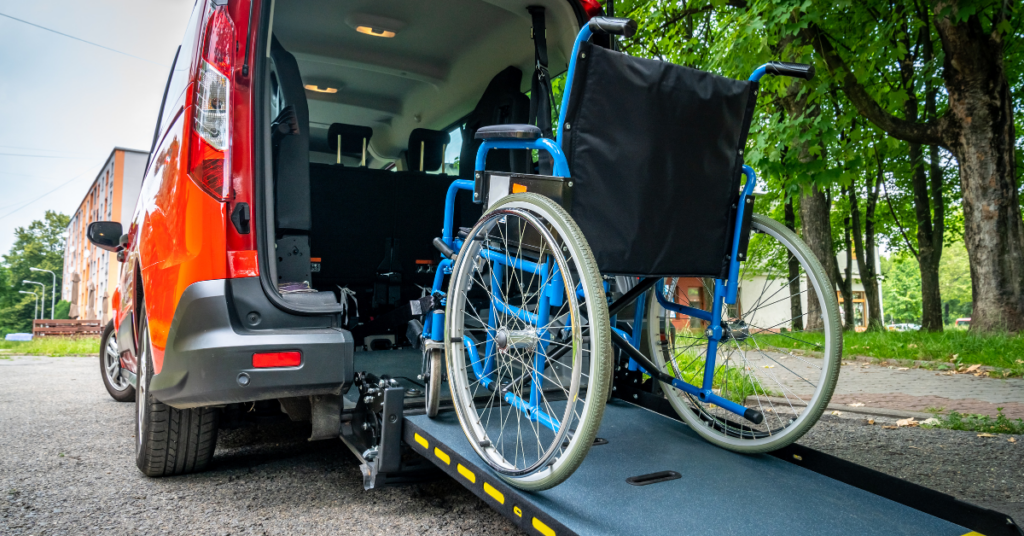
Non-emergency medical transportation claims require a legal approach that reflects both patient vulnerability and how medical transport services actually operate day to day. Passengers often rely on the provider for physical assistance, safe positioning, and careful driving, which raises the standard for what reasonable care looks like during the ride. These cases rarely hinge on a single moment behind the wheel. They often involve scheduling pressure, rushed pickups, inadequate training, poor equipment checks, or shortcuts in passenger handling that increase risk long before an incident occurs.
Claim value can rise or fall based on whether the investigation identifies those preventable breakdowns and ties them to the injury outcome. Insurers frequently try to flatten these cases into ordinary traffic accidents to avoid addressing transport duties that go beyond basic driving. That framing ignores the reality that NEMT providers control procedures, equipment use, and passenger safety protocols that directly affect injury risk. Flack Injury Law evaluates NEMT cases through those operational lenses, building a record that shows what the provider should have anticipated, what safety steps were available, and how different choices could have reduced harm. This disciplined approach helps ensure the claim reflects the full scope of responsibility and supports compensation that matches the true impact on the injured passenger.
Medical Transportation Conditions That Change How NEMT Liability Gets Evaluated
NEMT vehicles often carry passengers who cannot protect themselves during sudden stops, sharp turns, or unexpected impacts. Wheelchairs, walkers, and assisted entry and exit change the safety expectations for the driver and the company. These cases frequently turn on whether the provider followed safe-loading steps, used proper securement, and allowed enough time to move the passenger safely. A claim becomes stronger when it ties the injury to the conditions of transport and the choices that increased risk.
Wheelchair Securement Failures and Improper Patient Restraints
Wheelchair riders face serious injury risk when a driver fails to secure the chair properly or rushes the process. Loose restraints can lead to tipping, sliding, or violent movement during braking, even when the crash itself seems moderate. Insurers may try to treat these injuries like ordinary car crash injuries, but the mechanism often involves preventable handling and securement mistakes. Flack evaluates securement and restraint issues as central liability facts, not minor details.
How Transport Setup Issues Interact With Rear-End and Side-Impact Collisions
Rear-end crashes often create sudden forward movement that tests whether securement systems actually held. Side-impact collisions can cause lateral tipping that exposes weakness in anchoring points and restraint placement. In both crash types, the defense may argue the collision caused the injury regardless of how the passenger was positioned. A well-built claim shows how proper securement reduces injury risk and how poor setup increased harm.
Common Atlanta Non-Emergency Medical Transportation Accident Scenarios That Lead to Severe Injuries
NEMT incidents often happen during predictable moments, including pickups, drop-offs, lane changes, and tight turns around medical facilities. Drivers may rush to stay on schedule, and that pressure increases the risk of unsafe turns, abrupt braking, and poor situational awareness. These cases can involve both external crashes with other vehicles and internal incidents inside the transport vehicle itself. An Atlanta NEMT accident attorney must evaluate the complete chain of events, not just the final impact.
Loading and Unloading Injuries in Parking Lots and Medical Facility Drop Zones
Many serious NEMT injuries occur before the vehicle even enters traffic. A passenger can fall during transfer, slip while stepping down, or suffer injury when the driver fails to stabilize a wheelchair ramp or lift properly. These incidents often lack independent witnesses, which makes documentation and company records especially important. Strong representation focuses on the provider’s procedures and the condition of equipment, not on assumptions about what the passenger did.
Unsafe Turns, Sudden Stops, and “Non-Collision” Injuries Inside the Vehicle
Passengers can get hurt even when another vehicle never makes contact. Sudden braking, sharp turns, and fast acceleration can cause falls from seats, shifting medical devices, or violent movement in a wheelchair. Providers and insurers sometimes downplay these events because they did not involve a dramatic crash scene. A strong claim treats internal injury events as foreseeable risks in medical transport and evaluates them through safety procedures and driver conduct.
Commercial Insurance and Contracted Provider Issues in Non-Emergency Medical Transportation Accident Claims
NEMT services often operate through contracted relationships that can complicate insurance coverage and responsibility. A driver may work as an independent contractor, or a transportation company may dispatch rides through a third-party network. Those layers often create confusion, and insurers may use that confusion to delay payment or reduce value. Flack clarifies who controlled the work, what policies apply, and how to pursue compensation through the proper coverage.
Multiple Policies, Dispatch Relationships, and Responsibility for Training and Supervision
When multiple entities touch an NEMT ride, responsibility can extend beyond the driver. Training standards, vehicle maintenance, and supervision policies often come from the company behind the ride, not the individual who drove that day. These issues matter most in cases involving unsafe driving patterns, repeated route issues, or equipment failures. A focused claim shows who had the power to prevent the risk and who should bear financial responsibility.
Holding the Right Party Accountable for Maximum Injury Compensation
Insurers often try to narrow the claim to the lowest-limit policy or the easiest defendant. That strategy can leave injured passengers undercompensated, especially when the injuries require long-term care. Flack evaluates liability and coverage together so the claim targets the parties and policies that can actually satisfy the losses. This approach supports stronger settlement positioning and a more realistic path to full recovery.
Common Non-Emergency Medical Transportation Accident and Injury Scenarios
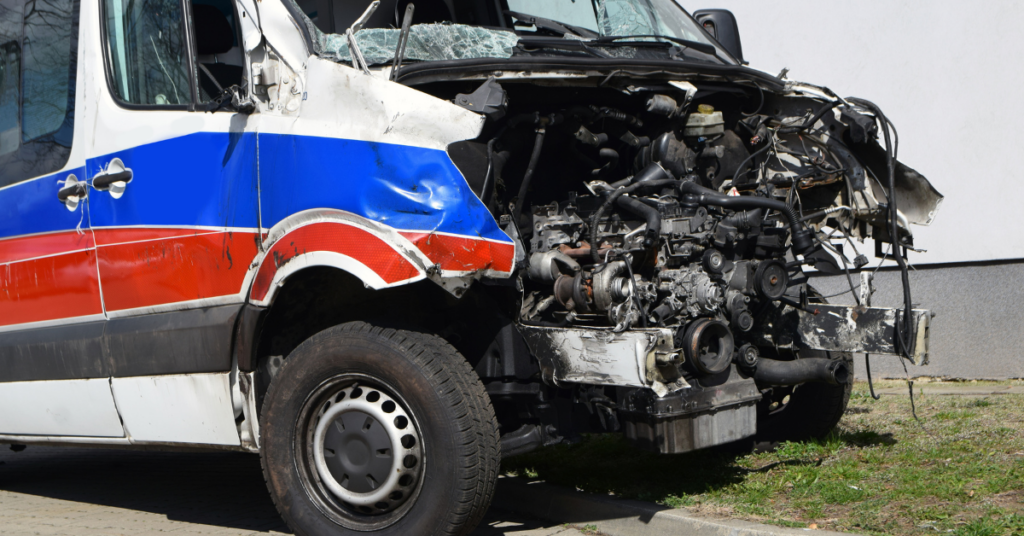
Non-emergency medical transportation accidents often involve a combination of traffic risk and patient-handling risk. A passenger may already have limited mobility, balance issues, or medical equipment that makes sudden movement dangerous. That reality changes what a “minor” collision can do, and it also changes how a claim should be evaluated. Atlanta NEMT accident cases often require a close look at what happened before the impact, during the ride, and at the pickup or drop-off point, because the injury cause is not always the same as the crash cause.
Loading, Transfer, and Drop-Off Injuries in Atlanta Medical Transport
Many serious NEMT injuries happen in moments that never show up on a standard crash diagram. Transfers from curb to vehicle, wheelchair ramp use, and lift operation create predictable fall risks when a driver rushes the process or fails to stabilize the passenger. These incidents can also involve equipment defects or poor maintenance, including ramp slippage, uneven surfaces, and failure to lock supports. A strong claim focuses on whether the provider followed safe procedures and whether the equipment performed the way it should have.
Wheelchair Ramp Falls, Lift Malfunctions, and Improper Assistance
Wheelchair ramps and lifts demand slow, deliberate handling, especially when the passenger has limited core strength or balance. A driver who rushes positioning, forgets a lock, or misjudges the grade can cause a fall that leads to fractures, head injury, or worsened spinal pain. Providers and insurers sometimes frame these incidents as unavoidable “patient incidents,” but proper assistance and equipment checks often prevent them. Flack evaluates these injuries through the lens of preventability, not bad luck.
How These Injuries Often Differ From Standard Slip-and-Fall Cases
A transportation-related fall usually ties directly to the provider’s process and equipment, not to general property conditions. The relevant questions involve securement steps, ramp setup, and what instructions or physical support the passenger received. Documentation can include trip notes, driver checklists, equipment inspection records, and witness accounts from staff at the facility. When the claim identifies those sources early, it becomes easier to show responsibility and pursue full compensation.
Vehicle-to-Vehicle Collisions Involving NEMT Vans and Passenger Transport
NEMT vehicles operate on real roads, and collisions still occur because other drivers act negligently or because the transport driver takes risks to stay on schedule. Rear-end crashes, side-impact collisions, and lane-change sideswipes can cause severe injury to medically vulnerable passengers. These crashes also raise questions about whether the passenger was seated safely, restrained properly, and protected against sudden movement. In many cases, the injury severity reflects both the collision forces and how the passenger was positioned or secured at the time.
Rear-End Collisions, Side-Impact Wrecks, and Unsafe Lane Changes
Rear-end collisions often create sudden forward motion that strains the neck, back, and shoulders, and that can be devastating for passengers who already have limitations. Side-impact crashes can cause abrupt lateral movement that leads to head strikes, hip injuries, or wheelchair tipping if the securement system fails. Lane-change sideswipes often cause swerving, braking, and instability inside the vehicle, which can throw a passenger or shift medical equipment. A well-developed claim ties the crash type to passenger vulnerability and the safety measures that should have reduced harm.
Why Passenger Protection and Restraint Use Matter in These Crash Scenarios
Insurers may argue that the crash alone caused the injury and try to narrow the case to a routine traffic claim. In NEMT cases, the provider’s safety responsibilities can influence the extent of harm, especially when proper restraint use could have reduced injury severity. Restraints, securement points, and seating layout matter when a passenger cannot brace or stabilize during an impact. Strong representation documents how the passenger was positioned and whether proper safety steps were followed.
Sudden Stops, Sharp Turns, and Non-Collision Injuries Inside NEMT Vehicles
Not every NEMT injury requires a visible crash. Abrupt braking, sharp turns, and fast acceleration can injure passengers when drivers move too quickly through congested corridors or rushed pickup zones. These events can cause falls from seats, strain injuries, or equipment movement that creates additional harm. Providers and insurers often minimize these incidents because another vehicle did not make contact, but NEMT safety includes driving choices that protect vulnerable passengers from jarring movement.
Falls From Seats, Wheelchair Shifts, and Equipment-Related Injuries
A passenger can fall when a driver brakes hard or turns sharply, especially if the passenger has weakness, dizziness, or limited balance. Wheelchair shifts can occur when securement straps are loose or when anchoring points fail under normal driving forces. Medical equipment can also move or strike the passenger when it is not stowed correctly. These scenarios often require a detailed timeline because the injury may happen during a routine part of the ride, not at a dramatic moment.
Proving What Happened When the Injury Occurs Without a Police Report
Non-collision injuries may not trigger a full crash investigation, and that can leave the passenger without an obvious paper trail. In these cases, the claim often relies on trip documentation, dispatch records, facility notes, and consistent medical reporting that ties symptoms to the ride. Witness accounts from caregivers, facility staff, or other passengers can also matter. A carefully organized record can keep the claim credible and protect the value of the compensation sought.
Medical Facility Pickup Zones and Parking Lot Risks for NEMT Passengers
Parking lots and drop zones create hazards that can lead to impact injuries and falls. Drivers may navigate tight spaces, reverse quickly, or stop in unsafe positions to keep the schedule moving. These environments also involve uneven pavement, curb transitions, and crowded pedestrian areas that increase risk for people with mobility limitations. A strong NEMT claim examines how the driver approached the pickup and whether safer choices were available.
Backing Accidents, Pedestrian Strikes, and Curb Transition Injuries
Backing incidents can occur when a driver rushes a turnaround or fails to account for pedestrians and mobility devices. Pedestrian strikes can involve passengers who step out with assistance or who use walkers or wheelchairs near the vehicle. Curb transitions can cause falls when the driver stops too far from the curb or fails to position the ramp or lift correctly. These cases often benefit from facility camera footage and quick documentation of the pickup environment.
Linking Pickup Zone Choices to Injury Outcomes and Claim Value
Insurers often treat pickup zone incidents as minor because they happen at low speed. For medically vulnerable passengers, low speed does not mean low harm. A strong claim ties the driver’s pickup and positioning decisions to the mechanism of injury and the treatment that followed. This helps settlement negotiations reflect the true cost of what happened, not just the appearance of the scene.
The Duty of Care Owed to Patients During Non-Emergency Medical Transport
Non-emergency medical transportation providers do more than drive from point A to point B. They accept responsibility for transporting passengers who may not be able to steady themselves, assess risks quickly, or protect their own safety during sudden movement. That reality changes what “reasonable care” looks like on an NEMT trip, especially when the ride involves wheelchairs, walkers, oxygen, or assisted entry and exit. A strong claim explains this duty of care clearly and ties it to the real decisions a provider makes, including how the passenger gets loaded, secured, supervised, and transported through Atlanta traffic.
Patient Safety Responsibilities That Go Beyond Ordinary Driving
NEMT drivers and companies take on responsibilities that standard drivers never face. They must account for passenger vulnerability, manage equipment safely, and make driving decisions that reduce abrupt movement, not just avoid collisions. They also must plan pickups and drop-offs with an eye toward safe transitions, stable footing, and controlled pacing. When providers cut corners, the risk of injury rises sharply, even if the vehicle never experiences a high-speed crash.
Safe Loading, Assisted Transfers, and Supervision During Pickup and Drop-Off
Pickup and drop-off often create the most predictable injury risks because passengers may stand, pivot, step down, or transfer from a wheelchair. Drivers should position the vehicle to reduce curb hazards, stabilize ramps and lifts, and provide appropriate assistance based on the passenger’s needs. Providers also need to recognize when a passenger requires a slower transfer or additional support rather than rushing the process to stay on schedule. A clear duty-of-care presentation shows why transfer safety is part of medical transport, not an optional courtesy.
How Improper Assistance Leads to Falls and Transfer-Related Injuries
Falls during loading or unloading can cause fractures, head injuries, and aggravated spinal pain, especially for passengers with balance limitations. These injuries often happen when a driver moves too quickly, fails to lock equipment, or leaves a passenger unsupported during a transition. Insurers may try to label these events as unavoidable “patient incidents,” but consistent safety procedures often prevent them. A well-built claim ties the injury to what the provider controlled, including equipment setup and hands-on assistance.
Seat Belt Use, Wheelchair Securement, and Passenger Positioning Standards
Proper securement and positioning protect vulnerable passengers from sudden movement, whether it comes from a collision, abrupt braking, or a sharp turn. When securement fails, the injury can become far worse than it needed to be, especially for wheelchair users. NEMT providers should use appropriate restraints, confirm anchoring points, and verify that equipment remains stable before entering traffic. Strong cases focus on whether the provider took these steps consistently, not whether the crash looked dramatic.
How Securement Failures Increase Injury Risk in Rear-End and Side-Impact Collisions
Rear-end crashes often trigger forward movement that tests whether a wheelchair or passenger restraint system actually holds. Side-impact collisions can create lateral force that tips a wheelchair or shifts a passenger in a way that causes head strikes and orthopedic trauma. In these scenarios, the defense may argue the collision alone caused the injury, even if poor securement made the outcome worse. A careful case strategy explains how proper securement reduces foreseeable harm and why failure to secure properly represents a breach of duty.
Connecting Securement and Positioning to Medical Documentation and Damages
When a claim links securement failures to specific injury mechanisms, the damages story becomes more credible. Medical records often reflect the injury pattern, such as shoulder trauma from bracing, hip injuries from lateral movement, or head impact from tipping. A strong presentation also accounts for the added recovery burden vulnerable passengers may face, including slower healing and increased care needs. This approach supports compensation that reflects the true cost of the injury, not a minimized version of events.
Operational Safety Standards That Define Reasonable Care in NEMT Services
Reasonable care in medical transport also depends on the company’s operational choices. Scheduling pressure, training quality, and maintenance practices all influence whether drivers follow safe procedures. Providers should train drivers on passenger handling, ensure equipment remains functional, and enforce rules that prioritize safety over speed. When a company allows rushed practices, it creates predictable risk that can support a stronger claim for accountability.
Training, Maintenance, and Dispatch Decisions That Affect Passenger Safety
Training should cover how to assist passengers with mobility limits, how to secure wheelchairs properly, and how to handle pickups safely in congested areas. Maintenance must keep ramps, lifts, restraints, and anchoring systems reliable, not just the vehicle engine and tires. Dispatch practices also matter because aggressive scheduling can encourage unsafe driving and rushed transfers. When an NEMT injury occurs, these operational issues can explain why the incident happened and why it was preventable.
Why NEMT Duty of Care Claims Often Involve More Than One Responsible Party
Medical transport services often involve layered relationships, including contractors, vehicle owners, dispatch providers, and management entities. Responsibility may extend to the party that set policies, maintained equipment, or trained the driver, not just the individual who drove that day. These relationships can affect which insurance applies and how compensation gets funded. A careful duty-of-care analysis identifies who controlled the safety decisions and who should be held financially accountable for the harm.
How Fault Is Evaluated in Atlanta Non-Emergency Medical Transportation Accident Claims

Fault in a non-emergency medical transportation accident case rarely comes down to one simple question of who hit whom. These claims often involve a medically vulnerable passenger, a commercial driver operating under schedule pressure, and a company that controls procedures and equipment. Investigators and insurers evaluate the incident by looking at driving decisions, passenger handling, securement steps, and whether the provider followed its own safety standards. Flack Injury Law builds fault analysis around verifiable actions and omissions, because clear responsibility supports stronger settlement leverage and a more predictable path to full compensation.
Liability Questions That Go Beyond the Crash Impact
In many Atlanta non-emergency medical transportation accident claims, the crash represents only one part of the liability picture. A passenger can suffer serious harm because the provider failed to secure a wheelchair, failed to use restraints correctly, or rushed a transfer at pickup or drop-off. Even when another driver caused the collision, the NEMT provider’s safety steps can affect the severity of injury. A strong claim separates crash causation from injury causation and shows how preventable safety failures increased harm.
Passenger Handling Negligence Versus Vehicle Collision Negligence
Passenger handling errors often occur in controlled environments like medical facility drop zones, parking lots, and curbside pickups. Vehicle collision negligence tends to involve traffic errors, including unsafe lane changes, following too closely, or failing to yield in congested corridors. Both can exist in the same case, and both can drive settlement value when documentation supports them. Flack evaluates the full chain of events, including what the provider did before the vehicle entered traffic and what occurred during the ride.
How This Analysis Applies in Rear-End and Side-Impact NEMT Crashes
Rear-end collisions often raise questions about following distance and braking decisions, but they also test whether the passenger was restrained safely. Side-impact crashes frequently involve intersection decision-making, yet they also reveal whether securement systems prevented tipping and lateral movement. In both crash types, insurers may try to narrow fault to the external driver and minimize the provider’s contribution. A careful presentation addresses that limitation by showing how proper safety steps could have reduced injury even when another vehicle triggered the impact.
Shared Responsibility Across Drivers, Transport Companies, and Contractors
NEMT services often operate through layered business relationships that affect who bears legal responsibility. A driver may work under a company’s policies, receive dispatch instructions from another entity, or operate a vehicle owned and maintained by a separate contractor. Fault analysis must identify who controlled training, equipment standards, scheduling expectations, and safety oversight. When the right responsible parties are identified, claims can access appropriate insurance coverage and avoid dead-end settlement pathways.
Vicarious Liability and Operational Control in Medical Transport Services
Companies often remain responsible for conduct that occurs within the scope of transportation services, even when they rely on contractors or per-ride arrangements. Control matters because it reveals who set the rules that shaped unsafe behavior, including rushed transfers, skipped checks, or aggressive scheduling. A well-supported claim shows where operational decisions came from and how those decisions increased risk for a medically vulnerable passenger. This clarity also makes it harder for insurers to shift blame to an individual driver with limited coverage.
Why Dispatch Pressure and Route Expectations Can Influence Fault
Dispatch systems can create predictable safety problems when drivers feel they must rush to avoid being late. Late penalties, tight appointment windows, and high-volume route assignments can encourage quick turns, abrupt stops, and unsafe loading choices. When a claim connects operational pressure to unsafe conduct, fault analysis becomes more complete and more persuasive. This approach helps keep negotiations focused on responsibility rather than excuses about “just running behind.”
Evidence Sources That Determine Fault in Atlanta Non-Emergency Medical Transportation Accident Cases
Fault decisions depend on the records that explain what occurred and what the provider controlled. NEMT cases often include documentation beyond what appears in ordinary traffic collisions, including trip logs, dispatch notes, securement checklists, vehicle inspection records, and facility incident reports. These records can confirm timing, procedures used, and whether the provider followed safety steps. Flack identifies and organizes this evidence early so the liability story stays consistent and defensible.
Trip Documentation, Driver Notes, and Vehicle Condition Records
Trip logs can confirm pickup and drop-off timing, passenger type, and route details that affect case interpretation. Driver notes may reveal whether assistance occurred, whether equipment issues were present, or whether the passenger complained of pain immediately. Vehicle condition records matter because ramps, lifts, restraints, and anchor systems require upkeep to function safely. When these records align with medical documentation, fault becomes easier to establish and settlement discussions become harder for insurers to stall.
Using Medical Facility Records to Confirm the Injury Event and Timeline
Facilities may document patient condition before and after transport, including observed changes that support causation. Staff reports can also confirm whether a fall occurred during unloading, whether equipment malfunctioned, or whether the passenger needed additional assistance. These notes often provide neutral verification that insurers cannot dismiss as “self-reporting.” When the timeline stays consistent across facility and medical records, fault disputes become less effective and claim value becomes easier to defend.
Comparative Fault Arguments and How Non-Emergency Medical Transportation Accident Claims Differ From Standard Car Wrecks
Insurers sometimes attempt to assign fault to the passenger by pointing to pre-existing conditions, balance limitations, or confusion during transfer. That framing often ignores the core reason NEMT services exist, which is to transport people who need assistance safely. The proper analysis focuses on what the provider knew about the passenger’s limitations and what safety steps the provider should have used. A strong claim does not allow insurers to convert vulnerability into blame.
Countering Claims That the Passenger “Caused” the Incident
Passengers may move slowly, need guidance, or require stabilization during transfer, and those needs should not surprise a medical transport provider. When a provider fails to assist appropriately, the fault lies in the missed safety step, not in the passenger’s medical condition. Flack counters this defense by showing what support was required, what the provider did or did not do, and how the injury followed from those choices. This keeps liability anchored to professional responsibility and supports maximum compensation for the harm.
Schedule a Free Consultation For Your Non-Emergency Medical Transportation Accident Case

Not every Atlanta non-emergency medical transportation accident claim needs litigation, but some cases reach a point where negotiation stops producing fair results. This often happens when the transportation provider disputes responsibility, minimizes the passenger’s injuries, or hides behind layers of contracting and insurance coverage. Litigation can force clarity by requiring answers under oath and demanding production of the records that matter most in NEMT cases, including trip documentation, safety procedures, equipment maintenance history, and internal reporting. When those materials surface, they often change the leverage in a way that basic claims handling never will.
Litigation also becomes more likely when an insurer treats the case like an ordinary traffic collision and ignores the transport context that increased risk and worsened harm. A medically vulnerable passenger may face longer recovery, higher care needs, and a greater disruption to health stability, and the claim should reflect that reality with a damages presentation grounded in records. Our Atlanta non-emergency medical transportation accident attorney helps you weigh the practical decision, including what you can prove, what the defense will likely argue, and whether filing suit will improve the path to full compensation. You should not have to guess whether you have a case worth pushing, and you should not accept a discounted result simply because the process feels confusing.
Call Flack Injury Law at (678) 653-0309 or reach out online to schedule a free consultation and get a clear assessment of whether your Atlanta non-emergency medical transportation accident claim requires extra support.
Contact Us

Do not let insurance companies control the outcome of your injury claim. Call Flack Injury Law today at (678) 653-0309 or contact us through our secure online form to schedule your free case review. The sooner you reach out, the sooner we can begin protecting your rights and fighting for the compensation you deserve.