Atlanta Car Accident Attorney
Some Atlanta car accident victims may assume that the biggest law firms will give their case the most attention. But, in practice, high-volume injury lawyers can be slow to communicate and unclear about the decisions that shape a claim. At Flack Injury Law, we understand that car crash injuries create enough upheaval and uncertainty as it is. Our goal is fast communication and clear guidance from your initial consultation through resolution, whether that happens through negotiations or trial.
We walk you through the claim process, offering practical guidance based on a deep knowledge of Georgia personal injury law. This includes when to engage with insurance adjusters, how to document symptoms and treatment, and what key evidence must be preserved before it is lost. Our full-scale damages evaluation will reflect your actual losses, including missed income, reduced earning capacity, and the future care your medical records support.
We are selective with our caseload because we want our clients to remain completely informed and supported. Every case is prepared to stand up to the scrutiny and tactics insurance companies employ to minimize payouts. When you retain our Atlanta car accident attorney, you get a plan, consistent communication, and a claim built to be taken seriously at every stage.
Were you injured in a car accident in the Atlanta area? Don’t worry. Flack has your back. Contact us at (678) 653-0309 today and schedule a free, no obligation consultation. We charge no fees unless we win your case.
in this section
h2 title wiill be here
Flack Guarantees Fast Communication, Clear Guidance, and Thorough Car Accident Claim Preparation

You are not hiring an Atlanta car accident attorney just to file paperwork. You want an advocate to take ownership of the claim and bring order to a situation that can feel chaotic, especially in the first few weeks after a crash. Many cases lose momentum early because the wrong issues take priority. The right documents do not get gathered, or the insurance company gets to set the pace. Flack Injury Law approaches the start of a case with a disciplined intake and a clear plan, so you know what information matters, what to ignore, and what to do next.
That early structure helps you avoid preventable missteps that can quietly undercut a claim. It also keeps the focus on the facts that drive outcomes, like how the collision happened, what your medical providers document, and how your day-to-day life changes while you heal. Our practice is intentionally selective so clients get focused attention, reliable direction, and a claim strategy that stays consistent as new information comes in. You get an attorney who treats your case like a project that needs active management, not a file that sits in a queue.
Direct Access to an Atlanta Car Accident Attorney Without Delays
You should not have to leave multiple messages to get a straight answer about your car accident claim. Flack keeps communication tight and predictable, so you know who to contact and when you will hear back. That consistency helps you make smarter decisions, especially when an adjuster pushes for a recorded statement or a quick settlement.
Fast Answers When Car Accident Filing Deadlines and Evidence Matter Most
Car accident cases can turn on details that disappear quickly. Video footage gets overwritten, vehicles get repaired, and witnesses become harder to reach with every passing day. Quick attorney involvement keeps the claim anchored in verifiable facts, not assumptions that an insurance company can later attack.
Updates That Keep Your Atlanta Car Accident Claim on Track
A good update does more than say “we are working on it.” You deserve to know what step comes next, what documents the insurer requested, and what those requests signal about claim strategy. Clear communication reduces stress, but it also protects case value because you can respond the right way at the right time.
Clear Case Direction for Georgia Personal Injury Claims
Confusion leads to mistakes, and insurance companies benefit when accident victims feel unsure. Flack Injury Law explains the purpose behind each step, so you understand what helps your case and what can weaken it. You get guidance that matches your injuries, your treatment timeline, and the real-world stakes of missed work and ongoing symptoms.
Guidance on Insurance Adjuster Contact, Medical Documentation, and Recorded Statements
Insurance adjusters often sound helpful while they build a file designed to limit what they pay. Flack helps you handle communications in a way that protects your claim instead of feeding a denial or lowball offer. You also get direction on documenting symptoms and treatment, so the record reflects the full impact of the crash.
Claim Decisions That Support Maximum Car Accident Compensation
Small choices can affect settlement value, even when liability seems clear. Gaps in treatment, incomplete work documentation, and casual comments to insurers can create openings for claim reductions. Flack keeps you aligned with decisions that strengthen credibility, damages, and negotiating leverage.
Thorough Car Accident Claim Preparation Built for Settlement or Trial
Insurance companies pay more when a claim reads like it can win in court. Strong preparation gives your case structure, proof, and a damages story that holds up under scrutiny. Flack builds each Atlanta car accident claim with organized evidence, clear medical support, and a plan that makes sense to an adjuster, a mediator, or a jury.
Evidence Development for Liability, Injury Causation, and Damages
Every car accident case needs proof that connects the crash to your injuries and losses. Flack gathers and organizes the materials that insurers look for when they decide whether to pay fairly or push back. That file often includes crash reports, witness statements, medical records, treatment timelines, wage verification, and documentation of how the injury changed daily life.
A Settlement Demand Package That Makes Denial Harder
A demand package should make the insurance company confront the risk of fighting you. Flack presents the facts in a way that supports liability, explains medical care, and documents the full cost of the injury. When the case file stays clean and complete, insurers have less room to argue, delay, or pretend the damages do not add up.
Our Atlanta Car Accident Attorney Handles Crash Cases Like These
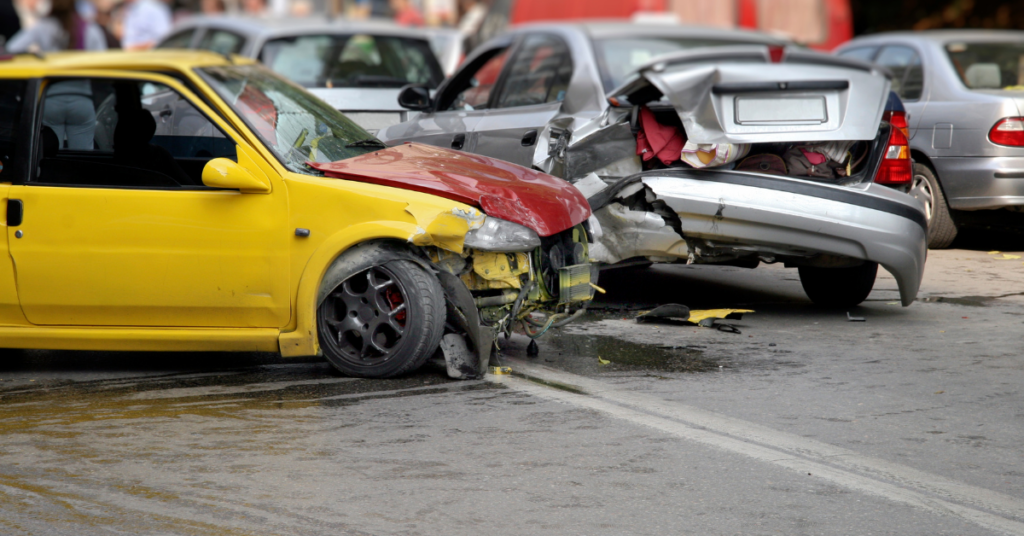
Atlanta drivers deal with congested interstates, tight merges, and aggressive lane changes that create predictable collision patterns. Each crash type raises different questions about fault, proof, and insurance coverage, and those differences shape how a claim should be built. Flack Injury Law handles a wide range of car accident cases, and we tailor strategy to the collision dynamics that Georgia insurers and Atlanta-area courts scrutinize most closely.
Rear-End Collisions and Chain-Reaction Crashes in Atlanta Traffic
Rear-end collisions often happen in stop-and-go conditions on I-75, I-85, and surface streets where drivers follow too closely. Insurers may try to treat these crashes as minor, even when they cause serious neck, back, and shoulder injuries that worsen over time. We help clients document the impact clearly and connect the injury timeline to the mechanics of the crash, so the claim reflects what the collision actually caused.
How Atlanta Car Crash Lawyers Approach Sudden Stops, Distracted Drivers, and the “Minimal Damage” Argument
Insurance companies frequently lean on photos of bumpers to argue that an injury “does not match” the crash. That shortcut ignores how the body absorbs force, especially when a driver has no warning and no chance to brace. We build a fact-based narrative that accounts for speed, positioning, and symptom progression, and we keep the claim focused on medical findings instead of assumptions.
Multi-Vehicle Pileups and Disputed Causation in Georgia Crash Claims
Chain-reaction crashes create finger-pointing because multiple drivers contribute to the final impact. These cases often involve overlapping injuries and competing accounts of what happened first. We sort out the sequence of impacts, identify responsible parties, and pursue compensation that reflects the full harm, not just the easiest piece for an insurer to admit.
T-Bone Accidents and Intersection Collisions Across Atlanta
Side-impact crashes tend to cause high-cost injuries because the vehicle offers less protection at the point of impact. Intersection collisions also create clear evidence issues, including right-of-way disputes, traffic signal timing, and witness reliability. We approach these cases with a focus on objective proof, so liability does not hinge on whichever driver tells the better story.
Red-Light Violations, Left-Turn Crashes, and Failure-to-Yield Claims
Many T-bone crashes happen when a driver rushes through a light or turns left without a safe gap. Insurers may argue shared fault to reduce payout, even when the facts point strongly in one direction. We develop the liability case with precision, then tie that liability to the injuries and losses that deserve full compensation.
Video Footage, Witness Statements, and Signal Timing Evidence
Intersection cases often benefit from quick action because video and third-party records do not stay available forever. Strong proof can shift a case from “disputed” to “clear,” which improves settlement leverage. We identify where corroborating evidence may exist and use it to support a clean liability presentation.
How Flack Injury Law Approaches Highway Collisions, High-Speed Wrecks, and Unsafe Lane Changes
Atlanta highway crashes can involve sudden lane shifts, speeding, and drivers who misjudge closing distance. Higher speeds increase both injury severity and the insurer’s incentive to challenge damages. We prepare these cases with the expectation that the defense will question everything, from how the crash occurred to how the injuries affect work and daily function.
Merging Crashes, Sideswipes, and Blame-Shifting Between Drivers
Lane-change collisions often turn into “he said, she said” disputes because the point of contact can look ambiguous. Insurers may claim both drivers contributed, even when one driver made an unsafe move. We focus on the traffic dynamics, vehicle positioning, and consistent medical reporting to keep the claim credible and cohesive.
Serious Car Crash Injury Claims That Require Long-Term Damage Documentation
High-speed collisions can trigger surgery, prolonged physical therapy, and ongoing limitations that change a person’s life. A strong claim should reflect not only what happened in the emergency phase, but also what the injury costs over months and years. We help clients present losses in a way that supports maximum injury compensation without exaggeration or speculation.
Hit-and-Run Accidents and Uninsured Driver Collisions in Georgia
Atlanta hit-and-run crashes create frustration because the at-fault driver disappears, but the injuries and medical bills remain. These cases often turn on uninsured motorist coverage and careful claim handling, not luck. We help clients understand the options available under their own policy and pursue compensation through the channels Georgia law allows.
Atlanta Car Accidents Involving Uninsured Motorist Claims and Coverage Disputes
UM coverage can provide critical recovery when the at-fault driver has no insurance or not enough insurance. Insurers still scrutinize these claims and may challenge liability, injuries, or policy language. We keep the claim organized and defensible, so the coverage you paid for works the way it should.
Identifying the Best Path to Recovery When the At-Fault Driver Vanishes
Even without an identified driver, evidence can still support a strong claim. Police reports, physical damage patterns, medical documentation, and witness accounts can create a clear picture of what happened. We guide clients toward the strongest route to compensation based on the facts, the available coverage, and the realistic timeline for resolution.
Rideshare Accidents Involving Uber and Lyft Drivers in Atlanta
Rideshare collisions create unique insurance questions because coverage depends on the driver’s status in the app at the time of the crash. These cases can involve multiple policies and competing carriers, which often leads to delay and confusion. We help clients cut through that complexity and pursue compensation from the proper insurer, with documentation that supports the claim from the first demand through negotiation.
Passenger Injury Claims and Coverage Layers in Uber and Lyft Cases
Passengers often assume the rideshare company automatically covers everything. In reality, different layers of coverage apply depending on whether the driver waited for a ride, accepted a ride, or transported a passenger. We clarify which policy applies, then present the claim in a way that limits the insurer’s ability to stall.
Collisions With Multiple At-Fault Parties and Conflicting Insurance Policies
Some rideshare crashes involve more than one negligent driver, which can expand recovery but complicate the proof. Each insurer may try to point the finger at someone else. We keep liability and damages organized across parties so the case stays focused on compensation, not endless blame games.
Common Insurance Company Tactics and How Our Atlanta Car Accident Attorney Counters Them

Insurance companies train adjusters to control cost, not to make your recovery easy. They evaluate claims through internal checklists and risk models that reward quick closures, narrow injury framing, and reduced payouts. That system pushes adjusters to look for leverage points, like missing documentation, unclear timelines, or anything they can label as inconsistent. They also lean on uncertainty, using phrases like “we still need more information” to justify delays while they test whether you will accept less just to move on.
Flack Injury Law anticipates those pressure points early and builds the case around clear, verifiable facts. We organize the story of the crash and the injury in a way that makes sense to an insurance reviewer, not just to the person living through it. We also make sure the claim file supports the full impact of the collision, including how the injury affects work capacity, daily function, and future medical needs when the records support it. That approach keeps liability, medical proof, and damages aligned from the beginning, and it reduces the room insurers have to distort the story.
Quick Car Crash Settlement Pressure Before the Full Injury Picture Develops
Adjusters often reach out fast with friendly language and an early offer that feels like relief. That first number rarely accounts for follow-up care, specialist referrals, or symptoms that intensify after the initial shock wears off. Flack helps clients slow the process down enough to understand the true scope of the injury, so a settlement closes the case for the right amount, not the fastest amount.
Early Offers From Auto Insurers That Ignore Treatment Changes and Recovery Setbacks
Many Atlanta car accident injuries evolve over weeks, not days. A settlement that looks decent early can become a problem when physical therapy expands, imaging reveals new issues, or work restrictions last longer than expected. We push the claim forward only when the documentation supports the full story, including how the injury affects work, sleep, mobility, and daily routines.
Negotiation Timing That Preserves Maximum Car Accident Compensation
A strong claim needs the right timing as much as the right facts. We build the case on a clear treatment timeline and documented losses, then choose negotiation moments that increase leverage. That approach helps clients avoid the common regret of settling before the real costs show up.
Recorded Statements and Friendly Questions Designed to Create “Inconsistencies” in Car Crash Settlements
Insurance companies often request recorded statements early and frame them as routine. Those recordings can become tools for minimizing injuries, shifting fault, or twisting a timeline into a contradiction. Flack guides clients on how to handle insurer contact, so the claim stays accurate, consistent, and defensible.
“Just Tell Me What Happened” Conversations That Shift Liability for Atlanta Accident Victims
Adjusters ask broad questions that invite speculation, not precision. They may push you to estimate speed, distance, or reaction time, then use those estimates to argue shared fault. We keep the discussion anchored in known facts, and we stop insurers from using casual conversation to rewrite the crash narrative.
Avoiding Traps That Reduce Atlanta Injury Claim Value
Insurers look for soundbites they can repeat later. A single misphrased answer can become an excuse to reduce payment or delay evaluation. We help clients communicate carefully and consistently so the case value rests on evidence, not on a stressful phone call.
Delay Tactics That Drain Pressure and Create Financial Stress for Car Accident Claimants
When insurers cannot deny a claim outright, they often try to outwait the injured person. They may request duplicate documents, go silent after receiving records, or claim they need “one more review” before making an offer. Flack counters delay by setting clear deadlines, keeping the file organized, and pushing the claim forward with a litigation-ready posture.
How Our Atlanta Car Accident Attorney Handles Slow-Moving “Reviews”
Adjusters sometimes pretend they lack key items that were already provided. They do this to buy time and to test whether a claimant will give up or accept less. We track what the insurer receives, confirm it in writing, and keep pressure on the timeline so stalling does not become a negotiation tactic.
Strategic Escalation When the Insurance Company Stops Responding
Silence can be a strategy, especially when bills and missed paychecks mount. We respond with structured follow-up, clear documentation, and escalation steps that show we will not let the claim drift. That consistency protects client confidence and keeps negotiations focused on resolution.
Disputing Medical Causation and Calling Injuries “Pre-Existing”
Insurers often try to separate your injury from the crash. They may point to old medical history, gaps in treatment, or statements like “I feel fine” from the day of the wreck. Flack addresses causation issues with careful medical documentation and a clear narrative that connects the collision to the symptoms, treatment, and functional limitations that followed.
“Minimal Property Damage” Arguments That Ignore Real Injury Dynamics
A common defense claim says the car does not look damaged enough for you to be hurt. That argument oversimplifies how the body responds to impact, especially in rear-end and side-impact crashes. We rely on medical findings and a consistent treatment history, not bumper photos, to show the injury’s reality and severity.
Building a Medical Timeline That Holds Up Under Scrutiny
A strong injury claim needs more than a diagnosis. It needs a coherent timeline that shows when symptoms began, how they progressed, and why treatment choices made sense. We help clients support that timeline with records and practical details so an insurer struggles to dismiss the injury as unrelated.
An Atlanta Car Accident Attorney Counters Blame-Shifting and Comparative Fault Arguments
Georgia’s comparative fault rules give insurers an opening to reduce payouts by claiming you share responsibility. They may argue you changed lanes too quickly, followed too closely, or failed to avoid the crash. Flack counters fault-shifting with evidence that clarifies who created the hazard and why the crash occurred.
Lane-Change, Intersection, and Multi-Vehicle Cases With Conflicting Stories
Certain crashes invite finger-pointing, especially sideswipes, left-turn collisions, and chain-reaction wrecks. Insurers exploit uncertainty by offering reduced settlements “because it is not clear.” We focus on crash dynamics and corroborating proof so the case does not depend on competing opinions.
Protecting Full Value When Insurers Try to Split Liability
Even a small percentage of assigned fault can reduce compensation dramatically. We challenge weak comparative fault arguments early and keep the claim centered on the other driver’s choices. That approach supports stronger settlement positioning and protects the outcome you pursue.
How Georgia Car Accident Claims and Settlements Are Built and Valued

A Georgia car accident settlement value comes from proof, timing, and the legal rules that control what an insurer can argue and what a jury can award. Atlanta crash claims often involve contested fault, layered insurance, and injuries that evolve over weeks. Flack approaches valuation by building a clean liability theory, matching medical documentation to injury mechanics, and presenting damages in a way that stays credible under negotiation pressure and, if needed, courtroom scrutiny.
Georgia Laws That Can Increase or Reduce Atlanta Car Accident Settlement Value
Georgia follows an at-fault system, and that makes liability a direct driver of case value. The stronger the fault evidence, the less room an insurance company has to discount the claim or stall with “shared responsibility” arguments. Several Georgia-specific rules can also change leverage, including how comparative fault works, how fault can be assigned across multiple parties, and how quickly deadlines can close the door on recovery.
Modified Comparative Negligence and the 50 Percent Bar Rule in Georgia
Georgia’s comparative negligence framework affects value in a straightforward way. If an insurer convinces a jury that you share meaningful fault, the verdict can shrink in proportion to that fault, and a high enough fault finding can eliminate recovery altogether. This comes up often in lane-change sideswipes, intersection left-turn crashes, and multi-vehicle chain reactions where the defense tries to spread responsibility across everyone involved.
How Fault Arguments Differ Across Common Atlanta Crash Types
Rear-end crashes usually start with a presumption of responsibility on the trailing driver, but insurers still look for exceptions like sudden stops or unclear road conditions. T-bone collisions often turn on right-of-way proof, signal timing, and whether a driver “should have avoided” the impact, which creates openings for partial fault arguments. Highway merging and sideswipe cases create the most blame-shifting because vehicle positioning and lane control become the centerpiece of the dispute, not just impact damage.
Statutes of Limitation That Control Negotiation Leverage for Atlanta Car Wreck Settlements
Deadlines shape value because they control pressure. Georgia generally gives injured people a limited window to file suit, and insurers know when that clock runs out. When a case approaches that deadline without a clear litigation plan, insurers often harden their stance, slow down negotiations, or push low offers to see if financial stress forces acceptance.
Government Vehicle Crashes and Ante Litem Notice Requirements
Claims involving city, county, or state vehicles can carry shorter notice rules that apply before a lawsuit even begins. These cases show up in Atlanta through public buses, municipal vehicles, and state-operated fleets, and missing a notice deadline can cut off recovery. Flack treats potential government involvement as a high-priority issue early because the timeline can move faster than most people expect.
What Atlanta Insurance Adjusters and Courts Look for When Valuing Injury Damages
A case becomes more valuable when the proof tells a consistent story from crash mechanics to medical care to functional impact. Insurers test whether your treatment fits the collision dynamics and whether your records document limitations in a way that looks objective. Courts and juries also look for clear causation, reasonable care choices, and damages that match the evidence rather than guesses.
The Importance Medical Proof, Causation, and the Treatment Timeline in Settlement Valuation
In many Atlanta car accident cases, the defense does not fight the fact that a crash happened. They fight the medical link between the crash and the symptoms, especially when pain increases later or when imaging reveals issues weeks after the impact. A strong file shows when symptoms started, what providers observed, how treatment progressed, and why the care made medical sense. That documentation matters even more in soft-tissue injury claims and in crashes where vehicle damage looks modest.
Gaps in Care, Prior Symptoms, and How Insurers Try to Discount Value
Insurers often argue that treatment gaps mean you “must have been fine,” even when real life, work demands, or scheduling issues caused the delay. They also look for prior back, neck, or shoulder complaints and try to label the entire injury as pre-existing. Flack counters that by focusing on what changed after the crash, what providers documented, and how the injury affected function, not just pain descriptions.
Wage Loss, Earning Impact, and Verifiable Work Restrictions for Atlanta Car Crash Victims
Lost income claims rise or fall on documentation. Insurers want proof of time missed, the reason you missed it, and whether a provider supported restrictions that fit the injury. This plays a major role in high-speed wrecks, intersection crashes with fractures, and any collision that causes prolonged therapy or job duty changes.
Proving Damages with Records That Hold Up in Settlement Talks
A strong damages presentation does not rely on broad statements like “I could not work.” It uses employer verification, pay records, job duty descriptions, and medical notes that connect restrictions to the injury. When the paperwork tells the story cleanly, insurers have a harder time minimizing the claim or pretending the losses feel “unclear.”
Coverage Issues That Shape Atlanta Car Accident Settlement Outcomes
Insurance coverage often limits or expands what a case can realistically achieve. Atlanta crashes frequently involve multiple policies, including rideshare coverage, commercial policies, or uninsured motorist protection. Flack evaluates coverage early so settlement strategy matches the available funds and the smartest path to recovery.
Uninsured and Underinsured Motorist Coverage in Georgia Claims
UM coverage can become the primary recovery source when the at-fault driver carries little or no insurance. These claims still require strong proof, and insurers often scrutinize them closely because your own carrier may take an adversarial posture. A thorough UM strategy can make the difference between a frustrating dead-end and a meaningful recovery.
Multi-Policy Scenarios in Rideshare and Commercial Vehicle Crashes
Rideshare collisions can involve coverage layers that depend on what the driver was doing in the app at the time of the crash. Commercial vehicle cases can bring higher policy limits, but they also bring more aggressive defense tactics and deeper investigation. Flack organizes these cases to keep liability proof and damages documentation aligned to the correct policy, which helps avoid delays and coverage finger-pointing.
What Happens When Your Car Accident Case Goes to Trial in Atlanta?

Most Atlanta car accident claims resolve before a trial date, but some insurers refuse to negotiate in good faith until they see real courtroom readiness. Trial becomes more likely when the defense disputes fault, challenges medical causation, or minimizes long-term impact. When a case moves toward litigation, Flack Injury Law treats each stage as a chance to strengthen leverage and present a clear, defensible story to a Fulton County jury.
The Pretrial Litigation Timeline in an Atlanta Car Accident Lawsuit
A lawsuit follows a structured process that creates deadlines and forces information into the open. This structure matters because it can shift a case from “argued opinions” to verified facts supported by documents and testimony. Atlanta courts also move cases through scheduling orders and procedural rules that require organized preparation, not last-minute scrambling.
Filing the Complaint and Serving the At-Fault Atlanta Driver
The case begins with a formal complaint that outlines the crash, the legal basis for liability, and the damages you seek. Service of process places the defendant on notice and triggers the obligation to respond through counsel. This step also puts the insurance company in litigation posture, which often changes how they evaluate settlement risk.
What This Stage Looks Like in Common Atlanta Crash Types
In a rear-end collision, the early pleadings often focus on driver negligence and injury impact rather than complex liability. In lane-change sideswipes and intersection disputes, the complaint typically anticipates comparative fault arguments and clarifies why the other driver created the hazard. In multi-vehicle chain reactions, the pleading stage can involve multiple defendants and a more detailed description of how each impact contributed to the injuries.
Discovery and Evidence Development for Atlanta Car Accident Trials
Discovery forces both sides to exchange information under court rules. This stage can uncover gaps in the defense narrative and can confirm critical facts that an insurer previously questioned. It also creates pressure because testimony and documents lock parties into positions that are harder to change later.
Depositions, Written Questions, and Requests for Documents
Depositions allow our attorney to question drivers, witnesses, and sometimes treating providers under oath. Written discovery, including interrogatories and document requests, can reveal phone records, vehicle maintenance issues, prior claim history, and other facts that affect liability and credibility. Strong discovery work improves trial readiness, but it also improves settlement value because the defense understands what you can prove.
How Discovery Plays Out in High-Conflict Crash Scenarios
Intersection collisions often require focused discovery on signal timing, sight lines, and what each driver saw and did. Highway wrecks frequently involve disputes about speed, following distance, and lane positioning, which can lead to deeper document requests and more intensive testimony. Rideshare and commercial vehicle cases can expand discovery further because multiple policies, employer relationships, or driver status issues affect who pays.
Expert Witnesses and Medical Testimony in Fulton County Injury Cases
Trials often turn on how well the case explains injuries in a way jurors understand. Expert testimony can clarify crash mechanics, medical causation, and future care needs when the defense tries to minimize impact. Flack prepares these issues carefully so the case does not depend on technical jargon or confusing timelines.
Accident Reconstruction, Biomechanics, and Liability Opinions
In serious injury cases, experts may analyze vehicle damage, scene evidence, and physics to explain how the crash occurred. This can matter in sideswipe crashes, multi-vehicle pileups, or cases where the defense argues you could have avoided the impact. When the liability story stays clear and supported, jurors have an easier time rejecting blame-shifting.
Using Expert Support Without Overcomplicating the Case Story
Experts should support the narrative, not bury it in technical detail. Flack uses expert analysis to clarify disputed issues and to reinforce the common-sense conclusion the evidence already suggests. This approach helps jurors stay focused on responsibility and harm rather than getting lost in competing theories.
Mediation, Pretrial Motions, and Settlement Talks Before Trial
Courts often encourage settlement through mediation, and many cases resolve after discovery clarifies the strength of the evidence. Pretrial motion practice can also narrow what evidence the jury will hear, which affects both sides’ risk calculations. A well-prepared case tends to settle on better terms because the defense sees the trial exposure more clearly.
Mediation Strategy and the Value of a Trial-Ready Demand
Mediation works best when the damages presentation is complete and easy to verify. The defense needs to understand not only what you claim, but what you can prove in court with records and testimony. Flack approaches mediation with a clear position and organized support so negotiations focus on value, not confusion.
Why Some Atlanta Car Accident Cases Settle Late
Some insurers wait until the last responsible moment to increase the offer. They do this when they assume most people will avoid trial, even if the evidence supports the claim. Late settlements tend to happen when trial preparation exposes weak defense arguments and forces a realistic reassessment of risk.
Jury Selection, Trial Presentation, and What Atlanta Jurors Consider
Trial brings the case into a courtroom, where credibility and clarity matter as much as documentation. Jurors want a story they can follow, with evidence that feels consistent and fair. Flack focuses on presenting the crash, injuries, and damages in a way that respects jurors’ time and makes decision-making straightforward.
Voir Dire, Opening Statements, and Witness Testimony
Jury selection screens for bias and identifies jurors who can evaluate evidence carefully. Opening statements set the framework, and witness testimony fills in the details through direct accounts and records. A clear presentation helps jurors understand how the collision changed your life, without exaggeration or distractions.
What Jurors Often Focus On in Atlanta Car Accident Cases
Jurors commonly evaluate who created the danger and whether the injured person acted reasonably afterward. They pay attention to consistency in medical treatment, the believability of work impact, and whether the damages claim matches the evidence presented. When the story remains coherent from crash details to documented losses, jurors can support full compensation with confidence.
Flack Has Your Back – Work with an Atlanta Car Accident Attorney Who Prioritizes Results

Atlanta car accidents leave people dealing with serious medical appointments and vehicle repairs, all while facing pressure to “wrap it up” from insurance companies. This is where representation should feel practical. Flack Injury Law helps Atlanta crash victims move forward with a clear strategy, organized claim support, and straightforward advice that matches the facts of the wreck, not a one-size-fits-all script.
If you are considering hiring counsel, focus on who will take ownership of the details that decide value. That includes identifying coverage issues that affect recovery, presenting damages in a way that stays consistent and verifiable, and keeping settlement negotiations anchored to proof rather than pressure. Flack Injury Law’s approach stays intentional and outcome-driven, with an emphasis on decisions that protect leverage and reduce the risk of leaving vital money on the table. You should finish the process feeling confident that you made informed choices at every stage, and that your claim received the level of attention your recovery demanded. Flack has your back. Contact Flack Injury Law at (678) 653-0309 to schedule a free consultation and get a clear assessment of your Atlanta car accident claim.
Contact Us
Do not let insurance companies control the outcome of your injury claim. Call Flack Injury Law today at (678) 653-0309 or contact us through our secure online form to schedule your free case review. The sooner you reach out, the sooner we can begin protecting your rights and fighting for the compensation you deserve.