
Atlanta Bicycle Accident Attorney
Our Atlanta bicycle accident attorney at Flack Injury Law helps injured cyclists respond with structure and clarity when a driver’s mistake leaves them facing medical care, time away from work, and uncertainty about what the next step should be. Atlanta bicycle crashes often happen in places where drivers and cyclists are forced to negotiate space fast, like tight Midtown corridors, busy Downtown intersections, and high-turnover traffic near Beltline access points. A bicycle collision can create injuries that feel outsized compared to the property damage, and insurance companies often try to treat the crash like a minor traffic event. The right legal approach focuses on accountability, documentation, and a plan that protects the full value of the harm.
Bicycle accident claims also bring unique proof issues that do not show up in typical car wreck cases. Drivers may claim they “never saw” the cyclist, argue the rider came out of nowhere, or shift blame toward visibility, lane position, or signals. Video footage disappears quickly, witnesses move on, and a bike can get repaired or replaced before anyone documents key details. Flack Injury Law approaches these cases with careful early investigation and a damages presentation that matches the realities cyclists face, including painful recovery timelines, disrupted routines, and the long-term impact of orthopedic injuries.
If you were injured while riding in Atlanta, call Flack Injury Law at (678) 653-0309 to schedule a free consultation and get clear guidance on your next steps.
in this section
h2 title wiill be here
How Local Knowledge Helps Our Atlanta Bicycle Accident Attorney Maximize Settlements

Local knowledge matters in bicycle accident claims because Atlanta road design and traffic behavior shape both liability arguments and how an insurance company judges credibility. Drivers often move aggressively through tight corridors, stack up at short light cycles, and rush turns to avoid missing openings in traffic. Those habits create repeatable danger points for cyclists, especially where bike lanes end without warning, where right-turn traffic cuts across through lanes, and where merges compress near interchanges and ramps. A strong claim does not just say a driver “failed to yield,” it explains how the roadway layout, sight lines, and movement patterns made the collision predictable and preventable.
Our firm recognizes these recurring patterns, and it helps sharpen case presentation so they are harder to dismiss. It allows the narrative to connect the cyclist’s lane position and travel path to the way drivers actually behave at that location, instead of relying on broad statements that sound interchangeable with any city. That level of detail also helps counter the common defense that a cyclist came from nowhere or rode unpredictably. Insurers respond differently when they see a location-aware explanation supported by map context, turn geometry, and a clear sequence of movement, because it reduces uncertainty and increases perceived trial risk. The more specific and realistic the story reads, the less room the defense has to reframe the crash as a shared misunderstanding.
Atlanta Bicycle Crash Patterns That Shape Liability and Settlement Leverage
Bicycle collisions follow recurring patterns that affect how fault gets argued. Many crashes involve turning vehicles, lane encroachment, and drivers who misjudge space while passing. These patterns matter because insurers often try to frame a bike crash as a mutual misunderstanding rather than a preventable driving error. Our Atlanta bicycle accident attorney takes a local approach, focusing on how Atlanta traffic actually behaves, then ties that behavior to the legal duties drivers owe cyclists on public roads.
Right-Hook Turns, Left-Turn Impacts, and Intersection Bike Collisions
Right-hook crashes happen when a driver turns across a cyclist’s path without checking mirrors or yielding. Left-turn impacts occur when a driver cuts across an oncoming cyclist while trying to beat traffic through an intersection. Both collision types create predictable fault issues, including failure to yield and unsafe turning decisions. Our Atlanta bicycle accident attorney builds these cases around the sequence of movement and the driver’s opportunity to see the cyclist, not around assumptions about who “should have been careful.”
How These Bike Crashes Differ From Typical Atlanta Car Accident Claims
Bicycle collisions rarely produce the same visual damage patterns as car wrecks, so insurers look for excuses to minimize injury severity. The proof focus shifts from dented panels to sight lines, turning arcs, and the timing of signals and lane changes. These cases also involve more aggressive credibility attacks, including claims that the cyclist came from a blind spot or moved unpredictably. Local experience helps counsel address those themes early, before they harden into a defense narrative.
Dooring Accidents, Unsafe Passing, and Sideswipe Collisions Near Urban Corridors
Dooring crashes occur when a parked driver opens a door into the cyclist’s lane. Unsafe passing collisions happen when a driver squeezes past without giving reasonable clearance, then forces the rider toward a curb or traffic lane. Sideswipes often show up when a driver drifts while changing lanes or when traffic compresses near busy corridors. These crash types demand a careful reconstruction of lane position and vehicle movement, and local knowledge helps identify where these conflicts happen most often.
Using Road Design and Lane Configuration to Clarify Fault
Atlanta has corridors where bike lanes appear and disappear, and where right-turn lanes create sudden pinch points. A claim becomes stronger when it explains how roadway design contributed to the conflict and how a driver still had the duty to operate safely. When the lane layout supports the cyclist’s account, insurers have less room to argue that the rider “should not have been there.” This is one of the most practical ways local understanding supports settlement value without exaggeration.
Documentation Sources Our Atlanta Bicycle Accident Attorney Knows to Look For
Bicycle accident evidence often comes from sources people do not think about until it is too late. Camera footage can exist on nearby buildings, parking decks, commercial storefronts, and transit corridors, but it may be overwritten within days. Ride data from cycling apps can also help confirm route, speed, and timing when a driver disputes what occurred. Local knowledge helps identify the most likely evidence sources and pursue them quickly, which strengthens leverage during settlement talks.
Preserving Video and Witness Accounts of Bike Accidents Before They Disappear
Early investigation matters in bicycle cases because the defense often relies on uncertainty. When you secure video and witness statements early, the insurer cannot lean as heavily on “we cannot confirm” arguments. Third-party records may also establish traffic conditions, road work, or signal behavior at the time of the crash. Our Atlanta bicycle accident attorney who knows what to request and where to look can protect claim value by reducing evidentiary gaps.
Establishing a Clear Timeline That Supports Medical and Wage Loss Claims
Insurers often question whether a cyclist’s symptoms match the crash timeline. A well-documented sequence of events helps connect the collision to emergency care, follow-up visits, and work disruption. Clear timelines also reduce the insurer’s ability to argue that the injury came from a different incident. When the documentation stays consistent across records, settlement negotiations focus on value, not confusion.
Local Negotiation Context That Influences Bicycle Accident Settlement Outcomes
Settlement posture depends on how insurers evaluate risk in the venue where the case would be tried. Local knowledge helps counsel understand which defenses show up repeatedly and which facts tend to move negotiations. It also helps shape a demand that feels realistic and well supported, which improves credibility and increases the chance of a serious offer. Strong local strategy does not rely on bluster, it relies on preparation that signals the case can withstand scrutiny.
Aligning Liability Proof With the Real Defenses Raised in Atlanta Bicycle Injury Cases
Insurance companies often argue that cyclists failed to signal, rode too far into the lane, or appeared suddenly. They may also claim the driver had no time to react, especially in turning or merge scenarios. Local experience helps anticipate those defenses and organize proof that answers them directly. When the demand addresses the likely attacks upfront, insurers struggle to justify low offers.
Building a Settlement Narrative That Reflects How Bicycle Injuries Affect Daily Function
Bicycle injuries often disrupt life in ways that deserve careful documentation, including mobility limits, repeated therapy, and long recovery windows for fractures or joint injuries. A strong narrative ties those realities to medical records and functional restrictions without overselling. That balance increases trust and keeps the claim defensible. When the insurer sees a damages story grounded in proof, not emotion, settlement leverage improves.
Areas Where Our Atlanta Bicycle Accident Attorney Commonly Sees Crashes Occur

Atlanta bicycle accidents rarely happen at random. They tend to cluster where speed changes quickly, where drivers make rushed turning decisions, and where the roadway design forces cyclists and vehicles to compete for the same space. These locations also create recurring proof challenges because the defense often argues the cyclist “came out of nowhere” or “should not have been there.” When you can identify the most common crash environments, you can also anticipate the liability issues, the evidence sources, and the defenses that show up in Atlanta bicycle injury cases.
Intersections and Turning Lanes That Create High-Risk Bicycle Conflicts
Many serious bike crashes occur at intersections because drivers focus on gaps in vehicle traffic and overlook cyclists approaching through the same space. Turning lanes create especially dangerous conditions when drivers drift across a bike lane to line up for a right turn or swing wide into a left turn. These environments often produce disputes about right-of-way, signal timing, and who entered the intersection first. Our Atlanta bicycle accident attorney treats intersection crashes as evidence-driven cases that require clear sequencing, not guesswork.
Right-Turn Conflicts, Left-Turn Impacts, and Crosswalk-Area Collisions
Right-turn collisions happen when a driver cuts across a cyclist’s path while trying to beat the light or reach a turn lane. Left-turn impacts often involve a driver misjudging speed or distance and turning across an oncoming cyclist’s travel line. Crosswalk-area crashes can also involve cyclists who dismount or who ride through a crosswalk, which gives insurers another angle to dispute the rules of movement. A strong case clarifies where the cyclist traveled, how the driver approached the turn, and why the driver’s decision created the conflict.
How Bicycle Crash Liability Gets Disputed at Atlanta Intersections
Insurers frequently argue that the cyclist rode outside the expected lane position or failed to signal. They also claim the driver did not have time to react, even when the collision occurred during a predictable turn pattern. Clear documentation of the approach, the signal phase, and the movement sequence often reduces these arguments. When the evidence supports a straightforward turning error, settlement discussions tend to move faster and with less discounting.
Roadway Pinch Points Where Bike Lanes End or Shift Without Warning
Certain Atlanta corridors force cyclists into narrow spaces where drivers try to squeeze past without adequate clearance. Bike lanes that end abruptly, shift around construction zones, or blend into turn lanes create confusion that often benefits the driver after a crash. These pinch points also lead to sideswipes and forced-off-road incidents that leave cyclists injured without dramatic vehicle damage. A detailed location analysis helps show why the cyclist’s position made sense and why the driver still had a duty to operate safely.
Roadway Pinch Points Where Bike Lanes End or Shift Without Warning
Certain Atlanta corridors force cyclists into narrow spaces where drivers try to squeeze past without adequate clearance. Bike lanes that end abruptly, shift around construction zones, or blend into turn lanes create confusion that often benefits the driver after a crash. These pinch points also lead to sideswipes and forced-off-road incidents that leave cyclists injured without dramatic vehicle damage. A detailed location analysis helps show why the cyclist’s position made sense and why the driver still had a duty to operate safely.
Construction Zones, Lane Drops, and Merge Areas Near Ramps and Interchanges
Construction often changes traffic flow with little warning and creates uneven pavement, debris, and narrowed lanes. Merge areas near ramps and interchanges add pressure because drivers focus on lane positioning and speed changes rather than scanning for bicycles. These conditions lead to unsafe passing, sudden lane changes, and last-second turns that put cyclists at serious risk. A careful case strategy ties the crash to the roadway conditions and the driver’s choices, not to vague claims about “busy traffic.”
Evidence That Helps Prove What Happened at Roadway Pinch Points
Pinch point cases often require extra attention because drivers dispute lane position and passing distance. Photos of lane markings, signage, and construction layout can matter as much as vehicle damage. Video from nearby buildings or traffic cameras can also help confirm the cyclist’s position and the driver’s movement. When the proof shows a predictable squeeze or merge conflict, insurers have less room to paint the cyclist as unpredictable.
Parking Corridors and Curbside Areas Where Dooring Accidents Occur
Bike crashes happen frequently near curbside parking because people exit vehicles without checking mirrors. Dooring incidents can throw a cyclist into moving traffic or cause direct impact injuries that require significant medical care. These cases also create quick evidence issues because doors close, vehicles leave, and witnesses move on within minutes. A strong claim needs early documentation of where the cyclist rode, how the door opened, and whether the vehicle occupant acted reasonably.
Dooring, Delivery Stops, and Sudden Pull-Out Collisions
Dooring does not always involve a private driver stepping out of a parked car. Delivery vehicles and ride pickups can also stop abruptly and open doors into the travel lane. Sudden pull-outs from curbside parking create similar danger when drivers swing into traffic without seeing a cyclist approaching along the curb line. These collisions often produce broken bones, shoulder injuries, and head trauma, even at lower speeds.
Clarifying Fault When the Driver Claims “I Looked and Did Not See You”
Drivers often claim they checked and still did not see the cyclist, as if that excuses the collision. That claim usually points to an attention failure, not a lack of responsibility. The case becomes stronger when it explains visibility, lighting, and positioning in a concrete way. When the facts show a preventable door opening or pull-out, insurers have a harder time justifying a low settlement offer.
Shared-Use Paths and Trail Crossings Where Vehicle Interaction Still Happens
Even when cyclists use trails and shared-use paths, vehicle interactions still occur at crossings and access points. Drivers may roll through crossings, rush turns into parking lots, or fail to yield while entering or exiting trail-adjacent roads. These crashes can create confusion about right-of-way because drivers treat trail crossings like informal driveways. A well-built case clarifies the crossing design, the approach lines, and the driver’s duty to yield.
Parking Lot Entrances, Driveway Crossings, and Trail Access Intersections
Many bicycle crashes occur where drivers enter or exit parking lots and do not expect a cyclist at speed. Driveway crossings create similar risks because drivers focus on road traffic and ignore path users. Trail access intersections also create turning conflicts when drivers cut across the crossing area to reach a destination quickly. These cases benefit from careful documentation of sight lines and signage because insurers often argue the cyclist “came too fast.”
Proving Driver Responsibility at Trail Crossings and Access Points
A claim becomes stronger when it shows how the crossing was designed to warn drivers and how the driver ignored that design. Photos, signage references, and local context can help establish expected driver behavior. Witness accounts and video can also clarify whether the driver rolled through or stopped and scanned properly. When the evidence supports a clear failure to yield, settlement negotiations often become more straightforward.
Unique Georgia Laws that May Affect Your Bike Versus Car Accident Claim
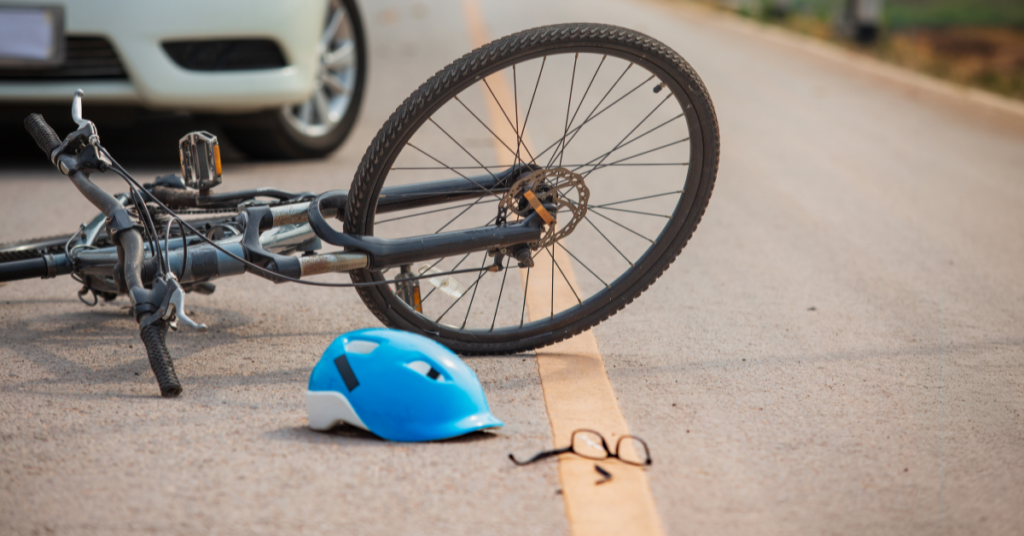
Georgia treats bicycles as legitimate road vehicles in many important ways, and that legal classification changes how fault gets argued after a crash. Drivers and insurers often assume cycling rules work like informal “courtesy guidelines,” then try to use that assumption to shift blame when a collision happens. In reality, Georgia traffic laws apply to cyclists in specific, enforceable ways, and the right interpretation can strengthen an Atlanta bicycle accident claim. When Flack Injury Law evaluates a bike versus car case, we focus on the Georgia rules insurers commonly misstate or oversimplify, then we use the facts to show how the driver’s decisions created the danger.
Georgia Traffic Laws That Treat Bicycles Like Road Vehicles
Georgia law generally applies the same rules of the road to bicycles that apply to vehicles, with bicycle-specific exceptions that insurers often ignore. This matters because it frames a cyclist as a lawful road user, not an unexpected obstacle. When an adjuster tries to imply a cyclist “should not have been in the lane,” the starting point is that Georgia recognizes bicyclists as entitled to use public roadways under the traffic code. A strong claim uses that framework to keep liability focused on the driver’s conduct, not on stereotypes about where bikes belong.
How Lane Position Rules Get Misused Against Atlanta Cyclists
Georgia’s “ride as near to the right as practicable” rule comes with key exceptions, and those exceptions often decide whether an insurer can credibly argue fault. Cyclists may lawfully move away from the right edge when they prepare for a left turn, avoid hazards, travel in a lane too narrow to share safely, keep pace with traffic, pass a standing or slower vehicle, or avoid getting trapped in a right-turn-only lane when they are not turning right. Drivers and insurers frequently skip these exceptions and claim a cyclist violated the law simply by riding in a travel lane. Our Atlanta bicycle accident attorney focuses on the roadway conditions that made the cyclist’s position reasonable, then ties that positioning to visibility and safe operation.
Why This Rule Shows Up in Right-Hook and Sideswipe Bicycle Collisions
Right-hook crashes and sideswipes often trigger arguments about whether the cyclist “should have been farther right.” Those arguments tend to ignore lane width, turning lanes, and pinch points that make a far-right position unsafe. When the lane is too narrow to share safely, Georgia law recognizes that a cyclist may occupy the lane, and that detail can undercut blame-shifting. The more clearly the claim explains lane configuration and turning behavior, the less room the defense has to argue the cyclist caused the conflict.
Safe Passing Requirements That Influence Fault in Bike Versus Car Cases
Georgia sets specific expectations for how drivers must pass bicyclists, and those requirements create strong liability anchors in many Atlanta crashes. When a driver could change lanes away from the cyclist but chose not to, the law supports an argument that the driver failed to exercise due caution. Even when a lane change is not possible, Georgia requires drivers to reduce speed and maintain at least three feet of separation when passing. Unsafe passing cases often look “minor” on photos, but the legal standard focuses on clearance, speed, and decision-making, not on how a bumper looks afterward.
Applying the Three-Foot Rule to Close Pass and Merge Collisions
Many bicycle collisions involve a driver overtaking too closely, drifting during a pass, or merging into a cyclist’s space while trying to stay with fast traffic. Georgia’s passing rule provides a concrete way to frame that behavior as unreasonable, especially when the driver squeezed through rather than waiting for a safe opportunity. In negotiations, concrete standards often carry more weight than general statements like “the driver was careless.” Our Atlanta bicycle accident attorney uses the passing requirements to connect driver choices to the risk created for the cyclist, which can support a stronger settlement posture.
Where Unsafe Passing Shows Up Most Often in Urban Atlanta Bike Claims
In dense traffic corridors, drivers often rush past cyclists to avoid losing position in a line of cars. That rush leads to close passes, sudden merges, and sideswipes that throw a rider off balance or into a curb line. These crashes can also involve disputed narratives because drivers claim they gave “plenty of room,” even when the cyclist experienced a clear squeeze. A well-built case connects roadway space, passing opportunity, and the driver’s chosen approach to show why the pass violated basic safety expectations under Georgia law.
Bicycle-Specific Rules That Can Affect How Insurers Argue Comparative Fault
Bicycle cases often trigger “rule violation” defenses that rarely appear in standard car wreck claims. Insurers may focus on lighting, hand signals, or helmet use to distract from a driver’s turning error or unsafe pass. Georgia law addresses several of these topics directly, and those details can prevent a defense narrative from gaining traction. Flack looks at these issues early, not to blame the cyclist, but to neutralize predictable arguments that insurers use to discount settlement value.
Helmet Rules for Minors and Why Lack of a Helmet Does Not Automatically Decide Liability
Georgia requires bicycle helmets for riders and passengers under 16, but the law also limits how helmet compliance can be used in a liability analysis. In practice, insurers may still try to treat helmet use as a character judgment or a shortcut to shared fault. That framing often does not match what the statute allows, and it does not replace the core questions of driver negligence and crash causation. When a case involves a minor cyclist, our Atlanta bicycle accident attorney keeps the focus on the driver’s conduct while addressing helmet-related arguments in a legally accurate way.
Lighting, Night Visibility, and Dooring Collisions Near Curbside Parking
Georgia also regulates bicycle equipment like lights and reflectors, which becomes a common issue in nighttime crashes. Drivers may claim they could not see the cyclist, even when street lighting, vehicle headlights, and normal scanning should have revealed the rider’s presence. In dooring cases, insurers sometimes raise visibility to shift focus away from the person who opened a door into a travel path. A strong claim treats equipment issues as one detail in a larger visibility and attention analysis, not as a substitute for driver responsibility
Typical Injuries Sustained in Atlanta Bicycle Accident With Motor Vehicles

Bicycle collisions with motor vehicles often cause more serious injuries than the crash scene suggests, especially when the rider absorbs direct impact and then hits the pavement. These injuries also create valuation challenges because insurers look for shortcuts, like minimal vehicle damage or delayed symptoms, to argue the harm “should not be that bad.” A strong Atlanta bicycle accident claim documents injuries in a way that connects the mechanism of the crash to the medical findings and the recovery timeline. When the injury story stays clear and medically supported, you improve trust, reduce disputes, and protect settlement value.
Head and Brain Injuries After Atlanta Bicycle Accidents
Head impacts can occur even when the rider avoids a direct strike to the skull. Sudden acceleration and deceleration can trigger concussion symptoms, and a secondary impact with the road or a vehicle can cause more serious brain injury. These cases often require careful documentation because symptoms may evolve over days, including headaches, light sensitivity, dizziness, sleep disruption, or cognitive changes. Our Atlanta bicycle accident attorney focuses on consistent reporting and appropriate follow-up care so the medical record captures the full injury picture.
Concussions and Post-Concussion Symptoms That Interfere With Work and Daily Function
A concussion can affect concentration, short-term memory, and emotional regulation in ways that make normal routines difficult. Many cyclists try to push through these symptoms, which can delay diagnosis and give insurers room to downplay the injury. A good case strategy ties symptoms to objective evaluations, treatment recommendations, and functional limitations that show up over time. This approach helps establish credibility and supports compensation that matches the real disruption a head injury can cause.
Crash Dynamics That Commonly Lead to Head Impact
Right-hook turns, left-turn impacts, and intersection collisions often throw a cyclist forward and down with little opportunity to brace safely. Doorings can also catapult a rider into traffic or onto the pavement in a way that creates head and facial trauma. Even unsafe passing sideswipes can lead to loss of control and a hard landing that triggers concussion symptoms. Clear documentation of how the rider fell and what surfaces they struck helps connect the crash mechanics to the diagnosis.
Orthopedic Injuries Common in Bike Versus Car Collisions
Many bicycle crashes produce fractures, ligament tears, and joint injuries because the rider has limited protection and the body takes the force directly. These injuries can carry longer recovery windows and may require surgery, hardware placement, or extended physical therapy. Orthopedic damage also affects daily function in visible ways, including difficulty walking, driving, lifting, or returning to athletic routines. Strong claims document both the medical findings and the practical limitations that follow.
Broken Bones, Shoulder Injuries, and Knee Damage From Direct Impact and Falls
Collarbone fractures, wrist fractures, and shoulder separations often occur when a rider hits the ground and tries to break the fall. Knee injuries can arise from twisting during the crash or from direct impact with a vehicle frame or pavement. These injuries often create a layered treatment path that includes imaging, specialist care, and rehabilitation. A well-supported case shows why treatment decisions made sense and how the injury affected work and household responsibilities.
Injury Patterns That Often Appear in Dooring and Sideswipe Accidents
Dooring crashes frequently cause wrist, forearm, and collarbone injuries because the rider reacts instinctively to protect the head. Sideswipes can lead to shoulder trauma and knee injuries when the bike gets knocked off line and the rider lands awkwardly. These patterns help explain why a crash that “looks minor” on a vehicle photo can still produce serious orthopedic harm. When the claim connects the injury type to the crash mechanics, insurers have less room to question severity.
Spinal and Soft-Tissue Injuries That Require Careful Medical Documentation
Not all serious bicycle injuries involve fractures. Many riders suffer neck and back injuries that disrupt sleep, mobility, and work tolerance for months. Insurers often challenge soft-tissue claims because they rely on symptom reporting, and symptoms can fluctuate. Our Atlanta bicycle accident attorney strengthens these cases by focusing on consistent treatment, clear provider notes, and functional restrictions that show the injury’s real impact.
Cervical and Lumbar Injuries That Affect Movement, Sleep, and Work Capacity
Neck and back injuries can limit driving, sitting, standing, and lifting in ways that interfere with basic routines. These injuries can also create referred pain, numbness, or weakness that affects arms and legs. A strong case documents the progression of symptoms and the treatment response, including therapy, medication, and specialist evaluation when needed. That record helps counter arguments that the rider “should be better by now” or that the symptoms lack support.
Crash Types That Commonly Trigger Back and Neck Injury Claims
High-speed impacts and intersection collisions often produce rapid body movement that strains the spine. Unsafe passing incidents can cause violent falls that transmit force through the back and neck on impact. Even dooring events can produce significant spinal strain when the rider gets thrown over the handlebars. Matching these dynamics to medical documentation helps present a coherent injury story that supports settlement value.
Road Rash, Lacerations, and Facial Injuries That Leave Lasting Effects
Pavement injuries can look superficial at first, but they often involve infection risk, scarring, and long-term sensitivity. Facial injuries can also create dental issues, jaw problems, or disfigurement that affects confidence and daily comfort. These injuries matter because they often carry visible consequences, ongoing care needs, and documented pain. A well-built claim captures the full scope of treatment and the practical impact, not just the initial emergency visit.
Infection Risk, Scarring, and Follow-Up Treatment Needs
Road rash frequently requires debridement, wound care, and follow-up visits that continue long after the crash. Deep lacerations may need stitches, scar management, or even surgical revision in severe cases. These injuries can also create missed work, limited mobility, and discomfort that affects basic activities. Clear medical documentation helps establish the seriousness of injuries that insurers sometimes dismiss as “just scrapes.”
Why Documentation Quality Matters for Visible Injury Claims
Visible injuries often generate early sympathy, but insurers still evaluate them through proof and permanence. Photos help, but medical records carry more weight because they show treatment intensity, healing complications, and lasting effects. When you document the injury properly and follow the care plan, you make it harder for an insurer to undervalue scarring, ongoing sensitivity, or long-term discomfort. Strong documentation supports a settlement that reflects both recovery burden and lasting impact.
Our Atlanta Bicycle Accident Attorney Can Protect You After a Crash

After a bicycle crash in Atlanta, the biggest risk is not just the injury, it is how quickly the story gets shaped without you. Drivers often claim they never saw the cyclist, and insurance companies move fast to narrow the facts to whatever supports a smaller payout. Our Atlanta bicycle accident attorney steps in to protect your position by organizing the case around what actually happened on the road and what the collision changed in your life afterward. We treat your claim like a legal record that must hold up under scrutiny, not a conversation where the loudest version of events wins.
Bicycle collisions also create practical obstacles that can weaken a claim if no one addresses them early. A damaged bike may get repaired or replaced, clothing and helmet damage can disappear, and witnesses can become hard to locate once traffic clears. Flack helps you preserve the details that matter and present them in a way that makes sense to an insurance reviewer and, if needed, a jury. The goal stays simple: protect the value of your bicycle accident claim while you focus on recovery, and pursue compensation that reflects the full cost of medical care, lost time, and lasting limitations.
Call Flack Injury Law at (678) 653-0309 or reach out online to schedule a free consultation with an Atlanta bicycle accident attorney who will give you clear next steps and a focused plan. Remember, Flack has your back.
Contact Us

Do not let insurance companies control the outcome of your injury claim. Call Flack Injury Law today at (678) 653-0309 or contact us through our secure online form to schedule your free case review. The sooner you reach out, the sooner we can begin protecting your rights and fighting for the compensation you deserve.